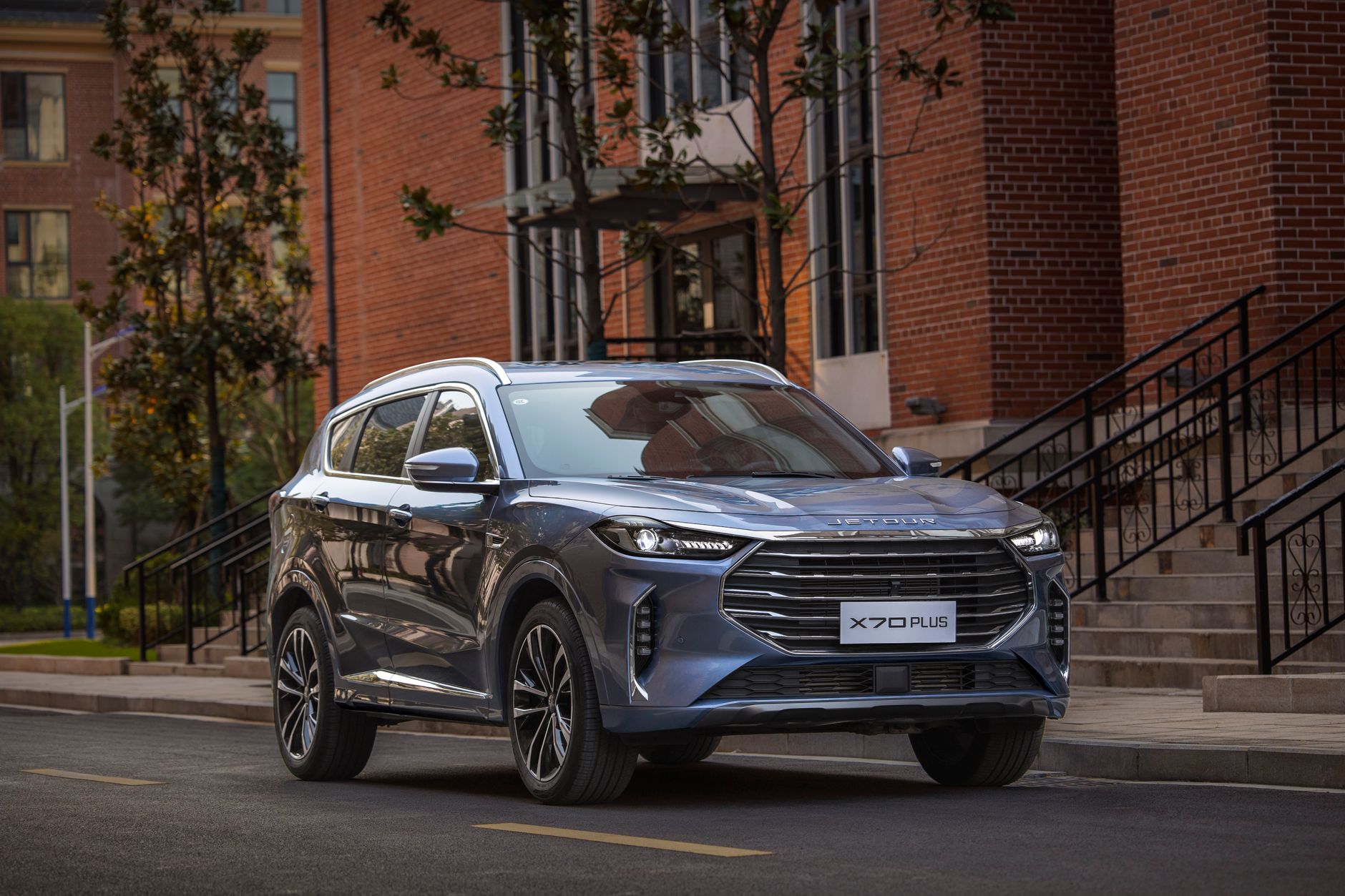
Chinese cars in Europe have become a topic of debate, reflecting a love-hate relationship among consumers and industry experts. As the automotive market evolves, opinions on these vehicles vary widely.
Overview of Chinese Cars in Europe
Chinese cars in Europe have become a significant topic of discussion as manufacturers from China continue to expand their presence in the European automotive market. Despite offering competitive pricing and innovative technology, the reception of these vehicles has been mixed.
Many European consumers appreciate the affordable options provided by Chinese automakers, which often come equipped with advanced features and electric vehicle technology. However, there are concerns regarding quality, safety, and the long-term reliability of these vehicles.
Recent surveys indicate that while some consumers are eager to embrace Chinese brands, others remain hesitant, citing worries about after-sales service and the availability of spare parts. This dichotomy reflects a broader sentiment where:
- Price competitiveness is a major attraction.
- Perceptions of quality and brand trust play a crucial role.
- Environmental considerations, such as electric vehicle offerings, are increasingly important.
As the market evolves, it remains to be seen how this love-hate relationship will shape the future of Chinese cars in Europe.
Consumer Opinions on Chinese Vehicles
Consumer opinions on Chinese cars in Europe vary widely, reflecting a complex love-hate relationship. Many European buyers appreciate the affordability and innovative features of these vehicles, which often come equipped with advanced technology and electric options.
However, concerns about quality and reliability persist. Some consumers express skepticism regarding the long-term durability of Chinese cars in Europe, fearing that they may not hold up against well-established brands. Others point to the lack of familiarity with service and repair options as a potential drawback.
Several factors contribute to the mixed perceptions:
- Price: Chinese cars typically offer competitive pricing, attracting budget-conscious buyers.
- Technology: Many models feature cutting-edge technology, appealing to tech-savvy consumers.
- Brand Recognition: Established European brands often overshadow newer entrants, leading to hesitance among potential buyers.
- Environmental Concerns: Electric vehicles from Chinese manufacturers are increasingly popular, resonating with eco-conscious consumers.
Overall, the acceptance of Chinese cars in Europe hinges on overcoming stereotypes and building trust among consumers.
Impact on European Car Market
The emergence of Chinese cars in Europe has significantly reshaped the automotive landscape, stirring a mix of enthusiasm and skepticism among consumers and industry stakeholders alike. As Chinese manufacturers increase their presence, traditional European brands face mounting pressure to innovate and adapt to changing market dynamics.
One of the most notable impacts has been on pricing strategies. Chinese automakers often offer competitive pricing, which challenges established brands to reconsider their pricing models. This shift has led to:
- Increased competition, prompting European manufacturers to enhance their value propositions.
- A growing emphasis on electric vehicles, as many Chinese brands prioritize EV technology.
- Heightened consumer expectations regarding features and sustainability.
However, the influx of Chinese cars in Europe has also ignited concerns over quality and safety standards. While some consumers are drawn to the affordability and technological advancements, others remain wary of the long-term reliability of these vehicles. As the market continues to evolve, the relationship between European consumers and Chinese automotive brands remains complex and multifaceted.
Comparing Chinese and European Brands
The automotive landscape in Europe is undergoing a significant transformation as Chinese cars in Europe continue to gain traction. When comparing Chinese and European brands, several key factors emerge that influence consumer perception and market dynamics.
- Price Point: Chinese manufacturers often offer vehicles at lower price points, making them attractive to budget-conscious consumers.
- Technology: Many Chinese brands invest heavily in technology, particularly in electric vehicles, positioning themselves as innovative alternatives to traditional European automakers.
- Design: European brands have a long-standing reputation for quality and design, which can overshadow newer entrants. However, Chinese companies are rapidly improving their aesthetics and functionality.
- Brand Loyalty: European consumers often exhibit strong loyalty to established brands, making it challenging for Chinese manufacturers to penetrate this market.
- Regulatory Challenges: Compliance with stringent European regulations can be a hurdle for Chinese manufacturers, impacting their ability to compete effectively.
Overall, the competition between Chinese and European brands is complex, characterized by both admiration and skepticism as consumers weigh their options in an evolving market.
Future of Chinese Cars in Europe
The future of Chinese cars in Europe is a topic that evokes mixed feelings among consumers and industry experts alike. As Chinese manufacturers continue to penetrate the European automotive market, they bring with them a wealth of innovation and competitive pricing. However, this growth is accompanied by skepticism regarding quality and reliability.
Several key factors will shape the future landscape of Chinese cars in Europe:
- Technological Advancements: Chinese companies are investing heavily in electric vehicle technology, which could align well with Europe’s push for greener alternatives.
- Market Adaptation: Understanding European consumer preferences will be critical. Brands that localize their offerings may find greater success.
- Regulatory Challenges: Compliance with stringent European regulations could either hinder or motivate Chinese manufacturers to elevate their standards.
- Consumer Trust: Building a strong reputation will take time, but transparency and quality assurance can help dispel doubts.
Ultimately, the path forward for Chinese cars in Europe will depend on their ability to navigate these challenges while fostering a more positive reception among European consumers.
Challenges Faced by Chinese Automakers
Chinese automakers have made significant inroads into the European market, yet they face numerous challenges that complicate their journey. One major hurdle is the perception of quality. Many consumers still associate Chinese cars with lower standards, despite improvements in technology and design.
Additionally, navigating the regulatory landscape in Europe can be daunting. Strict emissions standards and safety regulations require substantial investment and adaptation. Chinese companies often need to adjust their vehicles to meet these requirements, which can slow down their entry into the market.
Another challenge is the fierce competition from established European brands. Consumers tend to be loyal to familiar names, making it difficult for newcomers to gain traction. Furthermore, marketing strategies tailored to local tastes can be crucial. Chinese automakers must invest in understanding European consumers to effectively promote their vehicles.
Finally, geopolitical tensions and trade policies can impact the perception and availability of Chinese cars in Europe. As these automakers strive to overcome these obstacles, the love-hate relationship between European consumers and Chinese cars remains a complex dynamic that continues to evolve.
Conclusion: Love or Hate?
As the presence of Chinese cars in Europe continues to grow, the sentiment surrounding them remains decidedly mixed. On one hand, European consumers are drawn to the affordability and innovative technology that many Chinese automakers offer. On the other hand, lingering concerns about quality, safety, and brand reputation fuel skepticism.
Many drivers appreciate the value and features that these vehicles provide, often highlighting their advanced tech and competitive pricing. However, some remain hesitant, influenced by perceptions of lower reliability compared to established European brands. This dichotomy creates a complex landscape where enthusiasm for Chinese cars coexists with caution.
The future of Chinese cars in Europe will likely depend on how these manufacturers address consumer concerns and adapt to local market dynamics. As they invest in quality improvements and brand building, the love-hate relationship may evolve into something more favorable. Ultimately, the success of Chinese automakers in Europe hinges on their ability to win over consumers while navigating the challenges that lie ahead.
Photo by Jetour Georgia on Pexels
Where this came from
Related reading
Russia Ukraine power plant: Is This the Worst Energy Crisis? · US Debt Impact on India: Is It the Worst Situation? · RBI liquidity measures: Worst impact on India bonds revealed

One thought on “Chinese Cars in Europe: The Worst Love-Hate Relationship”