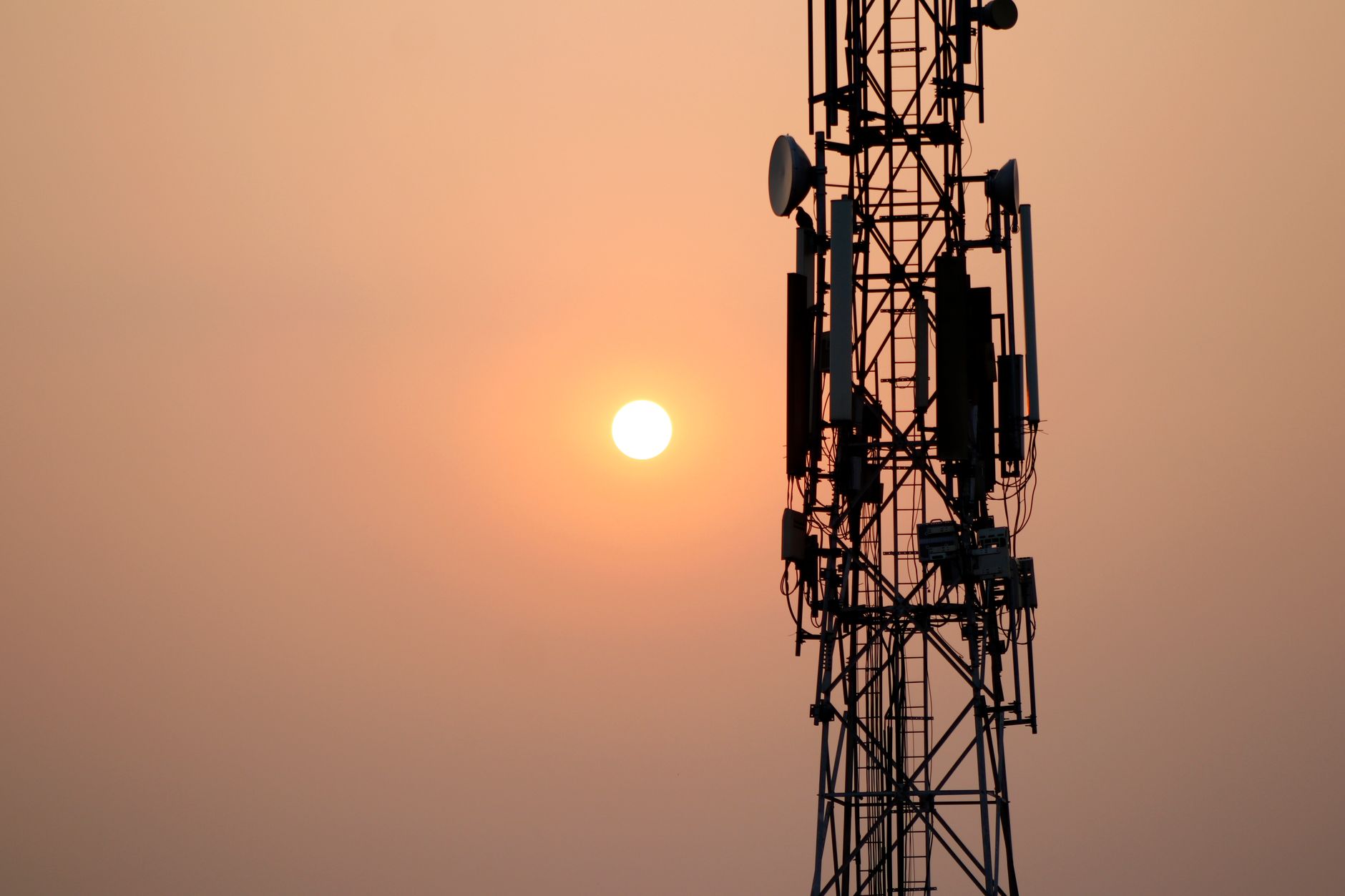
SpaceX cell network ambitions could reshape the telecommunications landscape. This article explores the key elements SpaceX still needs to build a competitive network and take on AT&T.
Introduction to SpaceX’s Ambitions
SpaceX is setting its sights on revolutionizing the telecommunications industry with its ambitious plans for a cell network. By leveraging its expertise in satellite technology, the company aims to create a robust SpaceX cell network that could rival established giants like AT&T. This initiative comes as part of a broader vision to provide high-speed internet access to underserved areas, ensuring connectivity for all.
With the launch of its Starlink satellites, SpaceX has already made significant strides in offering internet services globally. However, transitioning from internet service to a fully operational cell network presents unique challenges. Some of the key factors that SpaceX must address include:
- Infrastructure Development: Building the necessary ground stations and integration with existing networks.
- Regulatory Approvals: Navigating the complex landscape of telecommunications regulations.
- Market Competition: Competing against established providers like AT&T and ensuring a compelling value proposition.
As SpaceX continues to innovate, the potential for a new era in mobile communication is on the horizon.
Current State of Telecommunications
The current state of telecommunications is characterized by a few dominant players, with AT&T leading the market in mobile connectivity. However, the rise of innovative technologies is giving way to new challengers. One such contender is the SpaceX cell network, which aims to leverage satellite technology to provide extensive coverage and high-speed internet access.
Telecommunications companies are struggling to keep pace with the growing demand for reliable service, particularly in remote and underserved areas. This gap presents an opportunity for SpaceX to disrupt the industry by offering a solution that combines satellite and terrestrial networks.
The potential benefits of a SpaceX cell network include:
- Wider coverage in rural and hard-to-reach locations
- Reduced latency compared to traditional satellite services
- Competitive pricing that could challenge existing providers
As SpaceX develops its network, the telecommunications landscape may undergo significant changes, prompting established companies to reevaluate their strategies.
Challenges Facing SpaceX
As SpaceX embarks on its ambitious plan to establish a SpaceX cell network, several challenges lie ahead. First and foremost, regulatory hurdles present a significant obstacle. The company must navigate complex licensing requirements and secure approvals from various government entities.
Additionally, the logistics of deploying infrastructure in remote areas can be daunting. Building and maintaining ground stations and cell towers requires substantial investment and coordination with local municipalities.
There is also the challenge of competition. Established giants like AT&T have decades of experience and extensive networks that SpaceX will need to compete against. This includes not only infrastructure but also brand loyalty and customer service reputation.
Finally, technological integration poses another hurdle. SpaceX must ensure that its satellite technology can seamlessly interact with traditional cell networks to provide reliable service to users.
Technological Innovations Required
As SpaceX ventures into the telecommunications sector with its plans for a cell network, several technological innovations are essential for success. To effectively challenge industry giants like AT&T, SpaceX must develop robust infrastructure that can handle high data throughput and ensure seamless connectivity.
Key innovations may include:
- Advanced Satellite Technology: Improving satellite communication systems to reduce latency and increase bandwidth.
- Network Management Tools: Implementing sophisticated software to optimize network performance and manage traffic efficiently.
- Integration with Existing Systems: Ensuring compatibility with current cellular networks to enhance user experience and expand coverage.
By focusing on these areas, the SpaceX cell network can position itself as a formidable competitor in the telecommunications market.
Potential Impact on Consumers
The introduction of a SpaceX cell network could significantly alter the telecommunications landscape, offering consumers more choices and potentially lower prices. As SpaceX aims to challenge established giants like AT&T, the competition could drive innovation and improve service quality across the industry.
Consumers might benefit from:
- Increased competition: A new player in the market often leads to better deals and improved customer service.
- Enhanced connectivity: With SpaceX’s satellite technology, rural and underserved areas could finally gain access to reliable mobile services.
- Innovative features: SpaceX may introduce unique offerings, such as seamless global coverage, that traditional providers lack.
As the SpaceX cell network develops, consumers should remain informed about their options, as the potential for disruption in the market grows.
Comparing SpaceX and AT&T
As SpaceX embarks on its mission to establish a cell network, comparisons with industry giant AT&T are inevitable. Both companies operate in vastly different environments yet share common challenges in delivering reliable service.
Key aspects to consider include:
- Coverage Area: AT&T boasts extensive infrastructure across the United States, while SpaceX’s cell network aims to leverage satellite technology for broader reach.
- Service Reliability: AT&T has years of experience in maintaining consistent service, whereas SpaceX’s new network must prove its reliability under various conditions.
- Pricing Models: SpaceX might adopt innovative pricing strategies to attract customers, potentially undercutting AT&T’s traditional plans.
- Customer Base: AT&T’s established customer loyalty presents a challenge for SpaceX, which must offer compelling reasons for consumers to switch.
Ultimately, the success of the SpaceX cell network will depend on its ability to effectively compete with AT&T’s established infrastructure and customer trust.
Future of Connectivity with SpaceX
The future of connectivity with SpaceX appears promising as the company aims to establish a robust cell network that could rival established giants like AT&T. With its innovative approach, SpaceX is not only redefining internet access through satellite technology but also expanding its vision to mobile communication.
Key factors driving this evolution include:
- Global Coverage: SpaceX’s satellite network can potentially provide service in remote areas where traditional carriers struggle to reach.
- Lower Latency: By utilizing low Earth orbit satellites, SpaceX intends to offer reduced latency compared to conventional cell networks.
- Affordability: A competitive pricing strategy could make mobile services more accessible to a wider audience.
As these elements come together, the SpaceX cell network could transform how consumers experience connectivity, posing a significant challenge to established providers like AT&T.
Photo by Akil Mazumder on Pexels


One thought on “SpaceX Cell Network: The Best Way to Challenge AT&T”