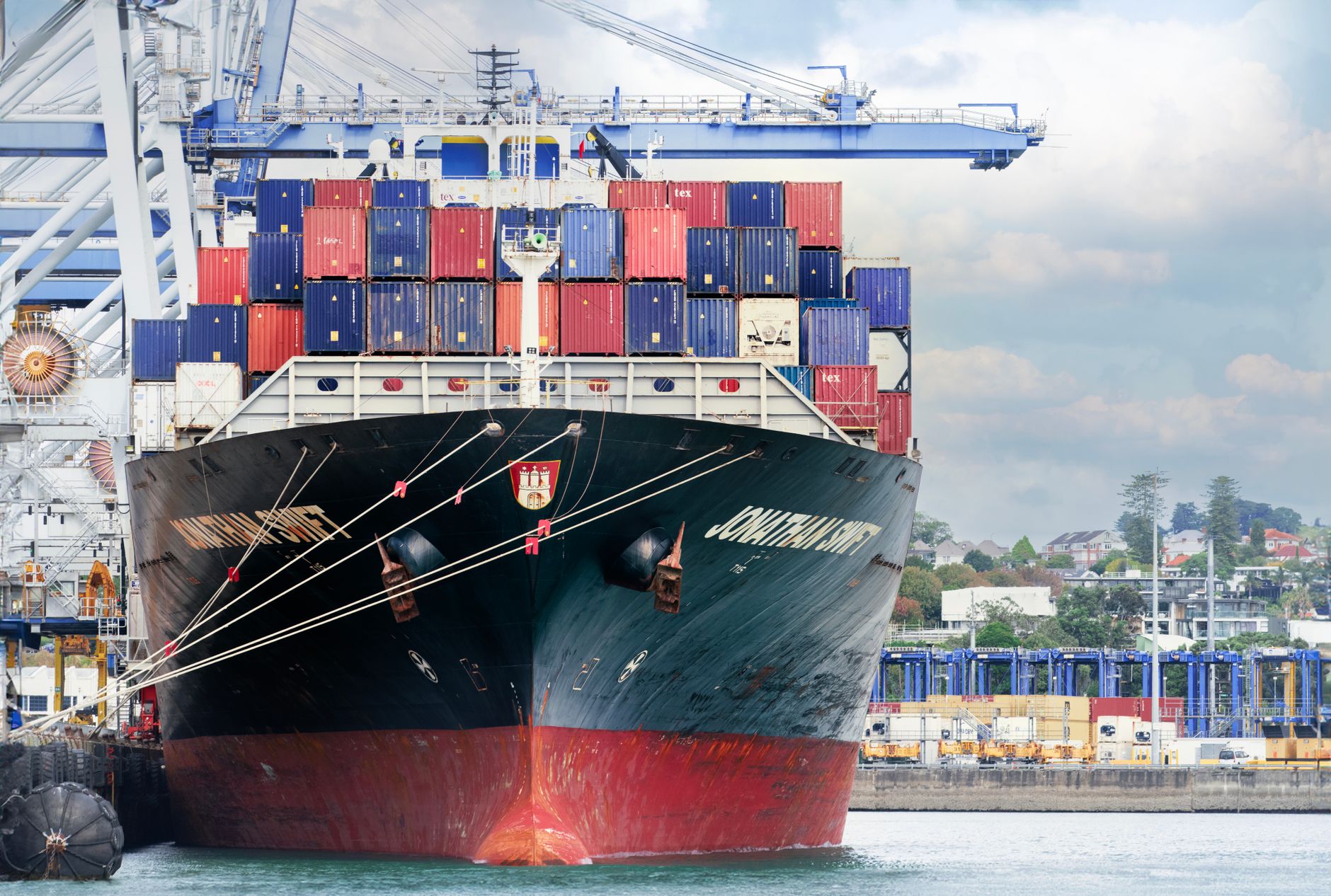
The India New Zealand trade pact is now in effect, marking a significant milestone in bilateral relations. This agreement is set to enhance trade and investment opportunities between the two countries.
Overview of the Trade Pact
The India New Zealand trade pact, which came into effect today, marks a significant milestone in the bilateral relations between the two nations. This agreement aims to enhance economic cooperation and facilitate greater trade flows, benefiting various sectors in both countries.
Under the terms of the pact, several key areas are expected to see substantial growth:
- Agriculture: The agreement will promote the exchange of agricultural products, ensuring farmers in both countries have access to new markets.
- Services: Enhanced cooperation in the services sector, particularly in education and information technology, is anticipated to drive innovation and job creation.
- Trade Facilitation: Streamlined customs procedures will make it easier for businesses to trade, reducing costs and improving efficiency.
- Investment Opportunities: The pact encourages investment in sectors such as renewable energy and infrastructure, paving the way for sustainable development.
This trade agreement is expected to deepen the strategic partnership between India and New Zealand, fostering a more integrated economic relationship. By facilitating trade and investment, the pact not only strengthens ties but also contributes to the overall economic growth of both nations.
As businesses begin to navigate this new landscape, the potential benefits of the India New Zealand trade pact will become increasingly evident, driving prosperity in both economies.
Benefits for India
The India New Zealand trade pact is set to bring numerous benefits for India, enhancing economic ties between the two nations. This agreement is expected to stimulate bilateral trade, promoting a healthier economic landscape.
One of the primary advantages of this pact is the reduction of tariffs, which will facilitate easier access for Indian goods to the New Zealand market. This is particularly beneficial for sectors such as:
- Pharmaceuticals: India is one of the largest producers of generic medications, and the trade pact opens new avenues for exports.
- Textiles: Indian textile products will find a more favorable position in New Zealand, enhancing competitiveness.
- IT Services: The pact encourages collaboration in technology and innovation, paving the way for Indian IT firms to expand their reach.
Moreover, the agreement is expected to create job opportunities in various sectors as Indian businesses ramp up production to meet the increased demand. Enhanced collaboration in agriculture is also anticipated, which will lead to improved food security and agricultural practices.
Furthermore, the India New Zealand trade pact aims to foster a stronger strategic partnership, opening doors for future cooperation in areas such as education and environmental sustainability. This comprehensive approach to trade will ultimately contribute to India’s long-term economic growth.
Benefits for New Zealand
The recently implemented India New Zealand trade pact offers a multitude of benefits for New Zealand, positioning it as a strategic advantage in the global marketplace. This agreement is set to enhance economic ties and promote bilateral trade between the two nations.
One of the primary benefits for New Zealand is the elimination of tariffs on a wide range of goods, which will significantly boost exports. Key sectors that stand to gain include:
- Dairy Products: New Zealand’s dairy sector will enjoy improved access to the Indian market, allowing for increased sales and revenue.
- Meat Industry: Reduced tariffs will facilitate greater exports of meat products, strengthening New Zealand’s position as a leading supplier.
- Wine and Beverages: The pact opens doors for New Zealand wines, enhancing their availability in India.
Furthermore, the trade pact fosters cooperation in various areas such as technology and services, enabling New Zealand businesses to explore new opportunities in the Indian market. This collaboration is crucial for innovation and growth.
By strengthening trade relations with India, New Zealand not only boosts its own economy but also enhances its global competitiveness. The India New Zealand trade pact is indeed a smart move that promises substantial benefits for New Zealand in the long run.
Key Features of the Agreement
The recently signed India New Zealand trade pact includes several key features aimed at fostering economic growth and strengthening bilateral ties. These features are designed to facilitate smoother trade flows and enhance cooperation between the two nations.
- Tariff Reductions: The agreement includes significant tariff reductions on a wide range of goods, making it easier for businesses in both countries to access each other’s markets.
- Services Sector Enhancement: The pact also emphasizes the liberalization of the services sector, allowing for greater mobility of professionals and skilled workers between India and New Zealand.
- Investment Promotion: Provisions are in place to encourage foreign direct investment (FDI), providing a more attractive environment for investors looking to enter each other’s markets.
- Digital Trade Facilitation: The agreement promotes digital trade initiatives, simplifying e-commerce processes and enhancing cross-border data flows.
- Collaboration in Agriculture: Recognizing the importance of agriculture, both nations have committed to collaborating on agricultural research and technology sharing.
- Dispute Resolution Mechanism: An efficient dispute resolution mechanism has been established to address trade-related conflicts amicably and swiftly.
Overall, the India New Zealand trade pact is a strategic move that reflects the commitment of both countries to deepen economic ties and stimulate growth.
Impact on Local Economies
The India New Zealand trade pact is expected to have a significant impact on local economies in both countries. By enhancing trade relations, the agreement aims to boost various sectors, fostering economic growth and resilience.
One of the main advantages of this pact is the potential for increased job creation. As industries gain access to new markets, the demand for skilled labor is likely to rise. This can lead to:
- Enhanced Employment Opportunities: Local businesses can expand their operations, leading to the hiring of more employees.
- Support for Small and Medium Enterprises (SMEs): SMEs in both nations can benefit from reduced tariffs and increased market access, fostering innovation and competition.
- Growth in Export Sectors: Sectors such as agriculture, textiles, and technology can see significant growth, thus contributing to local economies.
Moreover, the trade pact encourages knowledge exchange, enabling local businesses to adopt best practices and improve their operations. This can lead to:
- Increased Productivity: Businesses can leverage new technologies and processes from their trade partners.
- Stronger Supply Chains: Partnerships between Indian and New Zealand companies can create more robust and efficient supply chains.
Overall, the India New Zealand trade pact is set to position local economies for long-term growth and stability.
Future Prospects of Trade
The India New Zealand trade pact is expected to pave the way for a robust economic partnership between the two nations, fostering growth in various sectors. With the agreement now in effect, both countries are poised to explore new avenues for collaboration that could enhance trade relations significantly.
One of the promising prospects lies in the agricultural sector. India, being a major consumer of dairy products, can benefit from New Zealand’s world-class dairy industry. This could lead to increased imports of high-quality dairy goods, which would cater to the evolving dietary preferences of Indian consumers. Conversely, New Zealand may tap into India’s vast agricultural market, exporting more diverse products to meet local demand.
Additionally, the technology and services sectors are likely to flourish under this new pact. Both countries are known for their innovations in IT and software services. Enhanced cooperation could lead to joint ventures that leverage each other’s strengths, creating opportunities for startups and established firms alike.
Moreover, cultural exchanges and tourism are set to gain momentum. As travel restrictions ease, increased tourism between India and New Zealand can result in a deeper understanding and appreciation of each other’s cultures, further solidifying bilateral ties.
In conclusion, the future prospects of the India New Zealand trade pact appear promising, with potential benefits that could lead to sustained economic growth for both nations.
Expert Opinions on the Pact
Experts in international trade have shared optimistic views regarding the India New Zealand trade pact, highlighting its potential to strengthen economic ties between the two nations. According to Dr. Aditi Sharma, a trade economist, “This pact is a strategic move that will open new avenues for both India and New Zealand, enhancing bilateral trade by removing tariffs on a range of products.”
Similarly, Professor Liam Thompson from the University of Auckland emphasized the long-term benefits, stating, “The India New Zealand trade pact is not just about immediate gains; it is designed to foster sustainable growth in both economies. By encouraging investment and collaboration, we can expect a more integrated approach to trade.”
Moreover, industry leaders have expressed their support for the agreement. Rajiv Mehta, CEO of a leading Indian export company, mentioned, “This pact will significantly reduce costs for exporters, making Indian goods more competitive in the New Zealand market.”
On the New Zealand side, Emma Wright, a representative of the agricultural sector, noted, “With the removal of tariffs, our farmers will have better access to Indian consumers, which is crucial for the growth of our agricultural exports.”
Overall, the consensus among experts is that the India New Zealand trade pact stands to benefit both countries and pave the way for enhanced economic collaboration in the coming years.
Photo by Miguel Cuenca on Pexels
Sources
You might also like
Ice Age mammal discovery: What makes it worth exploring? · Lufthansa flight Columbus Frankfurt: Easy Travel Experience · Is Credit Stress the Worst Threat to the AI Bull Market?

One thought on “India New Zealand Trade Pact: A Smart Move for Growth”