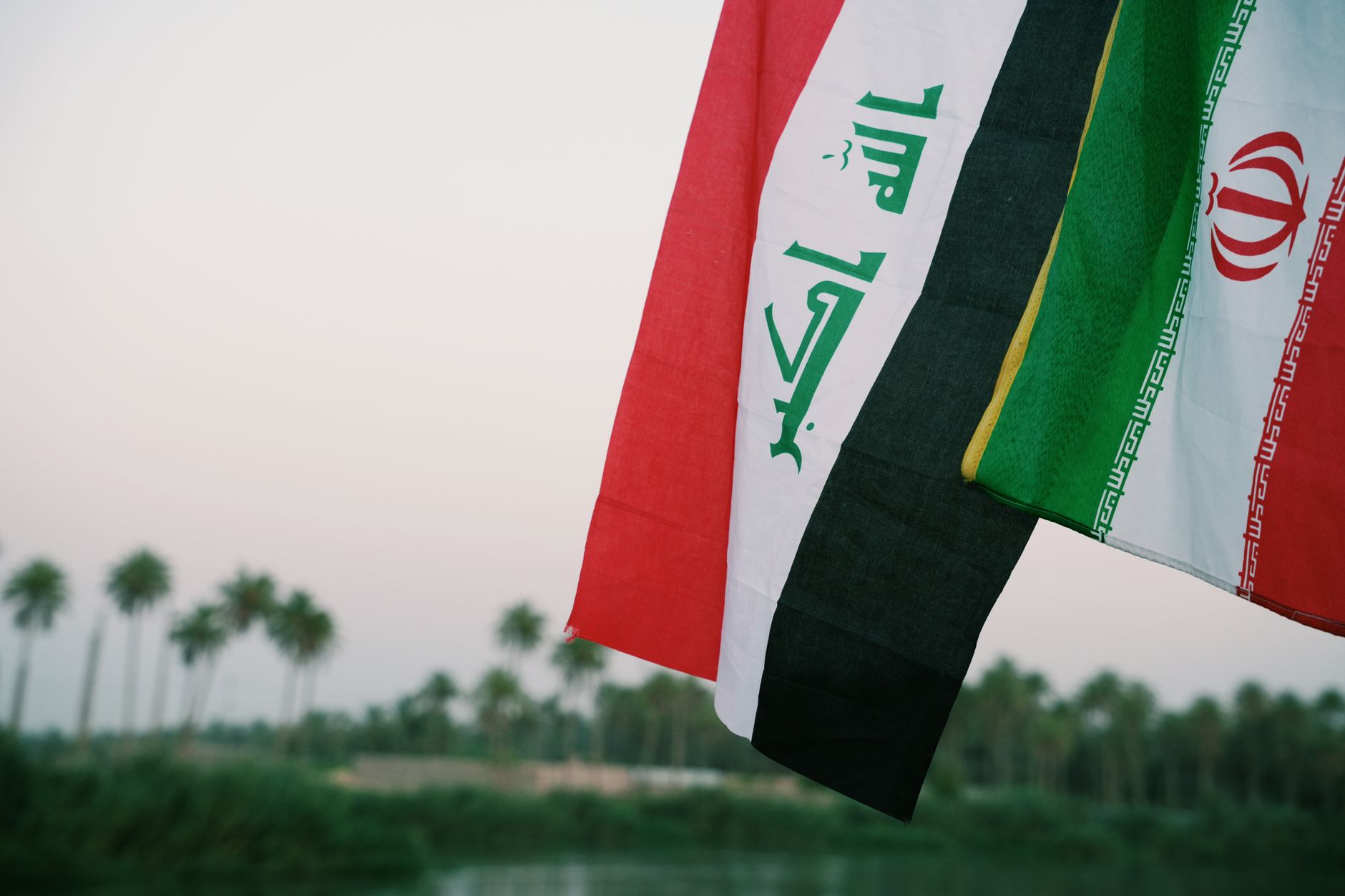
Diplomacy with Iran is becoming increasingly important as the crisis widens. Trump aides are actively seeking to revive negotiations to mitigate tensions between the two nations.
Current State of U.S.-Iran Relations
The current state of U.S.-Iran relations remains tense, marked by a series of confrontations and diplomatic standoffs. Following the withdrawal of the United States from the Joint Comprehensive Plan of Action (JCPOA) in 2018, the relationship deteriorated significantly, leading to increased hostilities and mistrust on both sides.
In recent months, U.S. officials have expressed a renewed interest in engaging with Iran to address ongoing crises in the region. This push for diplomacy with Iran comes as tensions escalate over Iran’s nuclear program and its influence in the Middle East. The Biden administration has emphasized the importance of diplomacy in resolving these issues, focusing on both nuclear concerns and regional security challenges.
Key factors influencing the current dynamics include:
- Military Engagements: Ongoing military confrontations between U.S. forces and Iranian-backed groups have heightened fears of an open conflict.
- Economic Sanctions: The re-imposition of sanctions has severely impacted Iran’s economy, prompting calls for negotiations to alleviate economic pressures.
- International Alliances: The role of allied nations in mediating discussions has become increasingly critical, as they aim to foster a collaborative approach.
As the crisis widens, the urgency for effective diplomacy with Iran has never been clearer, with the potential for dialogue offering a pathway towards stability and resolution.
Recent Developments in Diplomacy
Recent developments in diplomacy with Iran have highlighted the complexities of the ongoing negotiations and the urgent need for a cohesive approach to crisis resolution. As tensions escalate in the region, officials from various countries are reconsidering their strategies to engage with Tehran.
In light of the increasing strain on diplomatic relations, the Trump administration’s aides have been actively seeking to rejuvenate dialogue with Iranian leaders. Their efforts aim to address key issues such as nuclear development, regional security, and economic sanctions. The initiative reflects a broader recognition that maintaining open channels of communication is essential for de-escalating conflicts.
Several key points have emerged from the latest discussions:
- Engagement Strategy: There is a push for a more robust engagement strategy that emphasizes direct talks between U.S. and Iranian officials.
- International Coalition: Building an international coalition to support diplomatic efforts is seen as vital for presenting a united front.
- Addressing Humanitarian Concerns: Humanitarian issues, including access to essential goods and services, are being prioritized to ensure that the Iranian populace is not disproportionately affected by sanctions.
As these developments unfold, the effectiveness of diplomacy with Iran remains a critical factor in achieving lasting stability in the region. The coming weeks will be crucial in determining whether these diplomatic initiatives can yield positive results.
Challenges Facing Negotiators
The complexities of diplomacy with Iran present significant challenges for negotiators aiming to establish a productive dialogue. As tensions have escalated, several key obstacles have emerged that hinder effective communication and agreement.
- Historical Hostilities: The long-standing enmity between the U.S. and Iran, rooted in events such as the 1979 Iranian Revolution and subsequent hostage crisis, continues to shape perceptions and complicate trust-building efforts.
- Domestic Pressures: Both U.S. and Iranian leaders face substantial internal political pressures that can influence their willingness to engage in meaningful negotiations. Hardliners on both sides often leverage these pressures to resist compromises.
- Regional Dynamics: Iran’s relationships with neighboring countries, including its support for proxy groups, add layers of complexity to the diplomatic landscape. Addressing these regional tensions is vital for any successful negotiation.
- Sanctions and Economic Factors: The impact of U.S. sanctions on Iran’s economy creates a challenging backdrop. While some argue that sanctions compel Iran to the negotiating table, others believe they entrench resistance.
- Public Perception: The media portrayal of diplomacy with Iran can significantly influence public opinion, making it essential for negotiators to manage narratives to foster a conducive environment for dialogue.
Ultimately, overcoming these challenges will require a combination of strategic foresight and a commitment to sustained engagement in diplomacy with Iran.
Historical Context of U.S.-Iran Tensions
The historical context of U.S.-Iran tensions is intricate and fraught with conflict, shaped by decades of geopolitical shifts and diplomatic failures. The roots of this strained relationship can be traced back to the 1953 CIA-backed coup that overthrew Iran’s democratically elected Prime Minister, Mohammad Mossadegh. This event sowed the seeds of distrust and resentment towards the United States.
Following the 1979 Islamic Revolution, which resulted in the establishment of the theocratic regime under Ayatollah Khomeini, diplomatic ties were severed, leading to the hostage crisis where American diplomats were held for 444 days. Since then, U.S.-Iran relations have been characterized by a series of confrontations, including:
- The Iran-Iraq War in the 1980s, where the U.S. provided support to Iraq.
- The 2003 invasion of Iraq, which many in Iran viewed as a direct threat.
- The ongoing disputes over Iran’s nuclear program, leading to sanctions and international isolation.
Throughout these years, attempts at diplomacy have often been eclipsed by military posturing and ideological differences. However, the current climate suggests that renewed efforts in diplomacy with Iran may be essential for crisis resolution, especially as tensions continue to escalate in the region. The historical backdrop underscores the complexity of navigating these negotiations effectively.
Potential Outcomes of Renewed Talks
The potential outcomes of renewed talks between the U.S. and Iran are varied and complex, yet they hold the promise of significant shifts in regional dynamics. Engaging in diplomacy with Iran could lead to several important developments:
- Reduction in Hostilities: A framework for dialogue may decrease military tensions, fostering a more stable environment in the Middle East.
- Economic Benefits: Resuming diplomatic relations could pave the way for lifting sanctions, allowing Iran to reintegrate into the global economy, which might subsequently boost regional trade.
- Enhanced Security Cooperation: Diplomatic engagement may lead to collaborative efforts in combating terrorism and addressing mutual security concerns, ultimately benefiting both nations.
- Strengthened Alliances: Successful negotiations could bolster U.S. alliances in the region, showcasing American leadership and commitment to peace.
- Long-term Stability: Establishing a consistent dialogue could contribute to a comprehensive agreement that addresses not only nuclear issues but also Iran’s role in regional conflicts.
However, these potential outcomes hinge on the commitment of both parties to engage sincerely and address the underlying issues that have fueled decades of mistrust. The path forward may be fraught with obstacles, but the benefits of successful diplomacy with Iran could be transformative, not only for the involved nations but for the entire region.
Public Opinion on Iran Diplomacy
Public opinion plays a crucial role in shaping the discourse surrounding diplomacy with Iran. Recent surveys indicate a divided perspective among the American populace regarding engagement with Tehran. While some advocate for a more diplomatic approach, emphasizing dialogue over conflict, others remain skeptical, fearing that negotiations may lead to concessions that undermine national security.
According to a poll conducted by a leading research organization:
- 55% of respondents support diplomatic efforts to resolve tensions with Iran.
- 30% believe that a tougher stance is necessary to ensure U.S. interests are protected.
- 15% remain undecided or indifferent on the issue.
This division reflects a broader concern about the implications of U.S.-Iran relations on global stability. Many proponents of diplomacy argue that engagement can pave the way for peaceful resolutions to longstanding conflicts, while critics worry that it may embolden Iran’s regional ambitions.
Furthermore, the influence of various interest groups and political leaders adds complexity to the debate. Advocates for peace insist that constructive dialogue is essential, while more hawkish voices call for a return to a hardline policy.
Ultimately, the trajectory of U.S.-Iran relations will hinge not only on governmental actions but also on public sentiment, as citizens express their views on the best course for future diplomacy.
Expert Opinions on Crisis Management
Experts in international relations emphasize the necessity of a multifaceted approach to diplomacy with Iran, particularly in light of the current crisis. According to Dr. Emily Carter, a renowned political analyst, “Engaging Iran through dialogue rather than isolation is crucial for de-escalation. The complexities of their political landscape require patience and understanding from all parties involved.”
Many analysts highlight several key strategies for effective crisis management:
- Direct Communication: Establishing open channels between U.S. and Iranian officials can minimize misunderstandings and promote trust.
- Involving Regional Partners: Collaborating with countries in the Middle East, such as Saudi Arabia and Qatar, is essential to create a unified approach.
- Emphasizing Humanitarian Concerns: Addressing humanitarian issues can build goodwill and demonstrate a commitment to the Iranian people.
- Incremental Steps: Implementing gradual measures instead of sweeping changes allows for adjustments based on Iran’s responses.
Dr. Rajiv Mehta, a former diplomat, argues that “the right approach to diplomacy with Iran must be rooted in mutual respect and understanding.” As the crisis widens, the expert consensus is clear: a well-coordinated diplomatic strategy could pave the way for long-term stability in the region, benefiting not just the U.S. and Iran, but global peace efforts as well.
To achieve lasting peace in the region, it is essential that the international community prioritizes diplomacy with Iran over military intervention. Effective diplomacy with Iran can pave the way for mutual understanding and cooperation on critical issues.
Photo by AmirHadi Manavi Moghadam on Pexels

One thought on “Diplomacy with Iran: The Right Approach for Crisis Resolution”