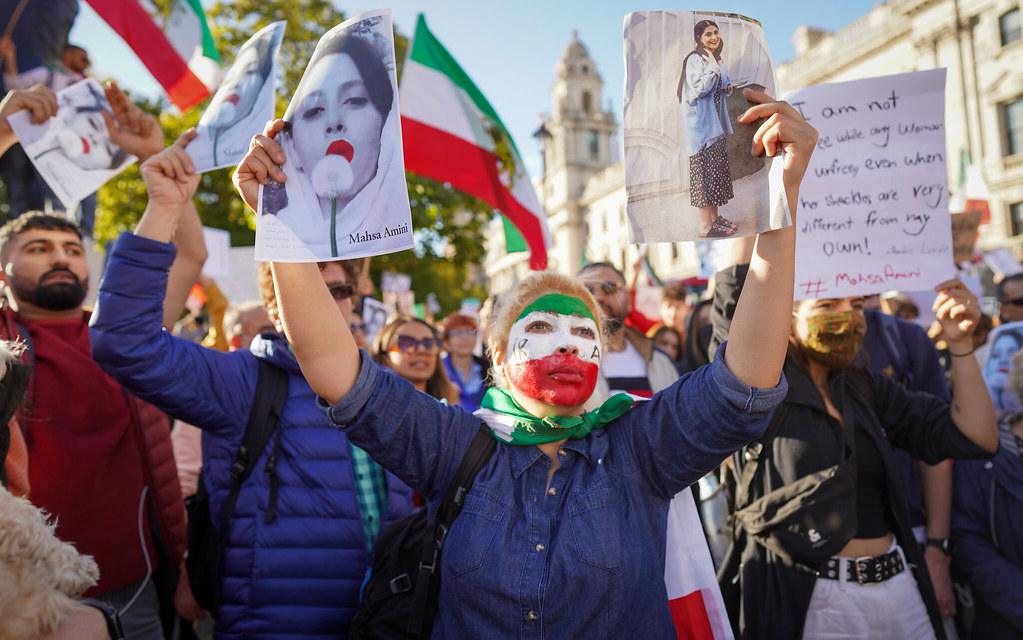
US sanctions on Iran have been imposed on 13 individuals linked to weapons procurement activities. This move aims to curb Iran’s military capabilities and influence in the region.
Overview of US Sanctions
The recent US sanctions on Iran have been a significant development in the ongoing geopolitical tensions in the region. These measures aim to hinder Iran’s ability to procure weapons and strengthen its military capabilities. In response to concerns regarding Iran’s support for terrorist organizations and its nuclear program, the United States has targeted various individuals and entities linked to the arms trade.
As part of these sanctions, the US Treasury Department has identified and imposed restrictions on 13 individuals and organizations believed to be involved in facilitating weapons procurement for Iran. The sanctions not only freeze any assets these parties may hold in the United States but also prohibit American citizens and businesses from engaging in transactions with them.
The implications of these sanctions are far-reaching. They aim to isolate Iran economically, limiting its access to critical resources necessary for military enhancement. Additionally, the sanctions send a clear message to other nations regarding the consequences of supporting Iran’s arms procurement efforts.
Impact on Iran’s Military
The implementation of US sanctions on Iran has significantly affected the country’s military capabilities, particularly in terms of weapons procurement. These sanctions have targeted numerous entities involved in the development and acquisition of military technology.
As a result, Iran faces substantial challenges in sourcing advanced weaponry and military equipment. The following impacts have been observed:
- Restricted access to international markets: Many foreign suppliers are hesitant to engage with Iranian entities due to the fear of falling afoul of US sanctions.
- Increased reliance on domestic production: Iran has shifted its focus towards developing indigenous military technology, though this often results in lower-quality equipment.
- Enhanced black market activity: Sanctions have led to a surge in illicit arms trading, complicating efforts to monitor and control military supplies.
Overall, the ramifications of US sanctions on Iran have created a more isolated military landscape, forcing the nation to adapt in ways that carry both risks and challenges for its defense strategy.
Details of the Sanctioned Individuals
The recent round of US sanctions on Iran has targeted 13 individuals linked to the country’s weapons procurement efforts. These sanctions are part of a broader strategy to curb Iran’s military capabilities and its ability to acquire advanced weaponry.
Among those sanctioned are:
- Key military officials: Individuals holding significant positions within Iran’s defense ministry.
- Business entities: Companies that facilitate the procurement of weapons and military technology.
- Foreign intermediaries: Individuals based in other countries who help Iran bypass existing restrictions.
The implications of these sanctions are far-reaching. They not only aim to block financial resources but also send a strong message to international partners about the consequences of engaging with Iran’s military sector. As the US continues to enforce these measures, the targeted individuals face severe restrictions on their assets and travel, further isolating Iran in the global arena. The ongoing situation highlights the international community’s efforts to address concerns over Tehran’s military ambitions.
Reactions from the International Community
The recent US sanctions on Iran, aimed at disrupting its weapons procurement efforts, have sparked a variety of reactions from the international community. Countries and organizations have expressed concerns about the potential escalation of tensions in the Middle East.
- European Union: Several EU officials have emphasized the importance of dialogue, suggesting that sanctions may hinder diplomatic efforts to resolve ongoing conflicts.
- Russia: The Russian government criticized the US measures, labeling them as unilateral and counterproductive, arguing that they violate international law.
- China: Chinese representatives have called for a balanced approach, urging the US to reconsider its strategy and engage in negotiations with Iran.
- Human Rights Organizations: While some human rights advocates support the sanctions, they warn that the broader population may suffer disproportionately from the economic impact.
As countries navigate their positions on the sanctions, the implications for regional stability and international relations remain under significant scrutiny.
Historical Context of US-Iran Relations
The historical context of US-Iran relations is marked by a series of tensions and conflicts that have shaped the current geopolitical landscape. Since the 1979 Iranian Revolution, the United States has viewed Iran with suspicion, particularly due to its nuclear ambitions and support for militant groups across the Middle East.
US sanctions on Iran have escalated over the decades, especially following incidents such as the seizure of the US embassy in Tehran and Iran’s involvement in regional conflicts. These sanctions aim to limit Iran’s ability to procure weapons and develop its military capabilities.
The implementation of stringent sanctions has not only impacted Iran’s economy but has also forced the nation to seek alternative avenues for weapons procurement, often relying on clandestine networks and partnerships with countries willing to defy US directives. As a result, the dynamics of US-Iran relations continue to be influenced by the struggle over military power and the broader implications for regional stability.
- 1979 Iranian Revolution triggers US sanctions.
- Increased tensions over nuclear program.
- Impact on military procurement strategies.
Future Implications for Global Security
The recent escalation of US sanctions on Iran has significant implications for global security, particularly regarding arms proliferation. As these sanctions tighten, Iran’s ability to procure weapons becomes increasingly limited, which may lead the country to pursue alternative avenues for military acquisitions.
Experts warn that Iran could turn to illicit networks for arms procurement, potentially destabilizing regions already fraught with conflict. The challenge lies in the fact that sanctioned individuals can operate through third parties, complicating enforcement efforts and increasing the risk of arms reaching hostile non-state actors.
Furthermore, the sanctions may push Iran to enhance its domestic arms production capabilities, thereby fostering an arms race in surrounding areas. This could lead to heightened tensions with neighboring countries, particularly those who feel threatened by Iran’s military aspirations.
In this complex landscape, the international community must remain vigilant. The efficacy of US sanctions on Iran hinges not only on their enforcement but also on diplomatic efforts to curb the broader implications for global peace and security.
Analysis of Sanction Effectiveness
The effectiveness of US sanctions on Iran has been a topic of extensive debate among policymakers and analysts. The sanctions aim to cripple Iran’s weapons procurement capabilities, limiting its ability to enhance military power and destabilize the region.
One clear outcome of these sanctions is the significant reduction in Iran’s access to advanced military technology. Sanctions have successfully disrupted supply chains, making it challenging for Iran to acquire critical components necessary for weapon systems. However, the adaptability of Iran’s military strategy has led to some unintended consequences:
- Increased Regional Alliances: Iran has sought to strengthen ties with nations that oppose US policies, creating new defense partnerships.
- Domestic Production: Facing restrictions, Iran has ramped up efforts to develop its own weapons systems, which may lead to a more self-sufficient military in the long term.
- Cyber Capabilities: Iran has invested in cyber warfare, diversifying its military approach in response to sanctions.
While US sanctions on Iran have impacted procurement efforts, their long-term effectiveness remains uncertain as Iran adapts to the evolving geopolitical landscape.
Conclusion and Next Steps
In conclusion, the US sanctions on Iran have significantly altered the landscape of weapons procurement for the nation, impacting its military capabilities and international relations. As the sanctions continue to take effect, it is essential for global leaders to monitor the evolving situation closely. The implications of these measures extend beyond Iran’s borders, influencing regional stability and security dynamics.
Next steps for the international community may include:
- Diplomatic Engagement: Encouraging dialogue between Iran and other nations to address concerns regarding weapons proliferation.
- Monitoring Compliance: Ensuring that all parties adhere to the sanctions and preventing circumvention through illicit channels.
- Strengthening Alliances: Collaborating with allies to develop coordinated responses to Iran’s military ambitions.
- Public Awareness: Educating the public about the implications of the sanctions and their broader impact on global security.
Ultimately, the effectiveness of US sanctions on Iran will depend on continued international cooperation and a commitment to addressing the root causes of the conflict.
By alisdare1 via Openverse
Where this came from
DD India · US sanctions on Bangladesh
You might also like
Buc-ee’s Oklahoma location: Best Proven Business Opportunity · OpenAI Enterprise AI: The Best Proven Solution for Businesses · Tyranny of Power: Jebi Mather’s Honest Take on India Today

One thought on “US Sanctions on Iran: The Clear Impact on Weapons Procurement”