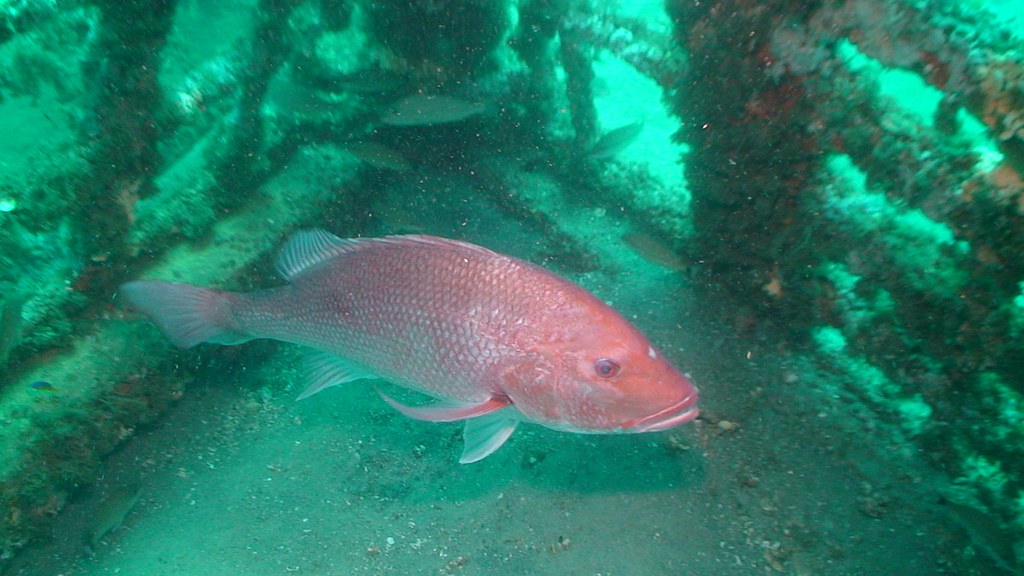
Florida coral research has unveiled innovative methods to assist corals in recovering their vibrant colors during extreme heat events. Researchers have found that shading techniques can significantly improve coral health and resilience.
Understanding Coral Bleaching
Coral bleaching is a phenomenon that occurs when corals become stressed due to elevated water temperatures, leading to the loss of their vibrant colors. This stress causes corals to expel the symbiotic algae, known as zooxanthellae, that live within their tissues and provide them with essential nutrients through photosynthesis. Without these algae, corals turn white and become more susceptible to disease and mortality.
The recent research conducted in Florida highlights innovative strategies to combat coral bleaching. In 2024, researchers implemented shading techniques during a significant heatwave, aiming to protect vulnerable coral species from the harsh effects of rising temperatures. By using shading devices, they were able to reduce thermal stress and create a more favorable environment for coral recovery.
Key findings from the study revealed that two Caribbean species, which had previously shown signs of bleaching, were able to regain their color and health under the shaded conditions. This research is pivotal for the future of Florida coral research and conservation efforts, presenting a potential solution to mitigate the impacts of climate change on coral ecosystems.
Understanding the mechanisms behind coral bleaching and recovery is essential for developing effective management strategies. As researchers continue to explore these methods, the hope is to restore coral populations and maintain the biodiversity of our ocean ecosystems.
The Impact of Heatwaves on Marine Life
The rising temperatures in Florida have significant implications for marine life, particularly coral reefs. Heatwaves, increasingly frequent due to climate change, contribute to coral bleaching, a phenomenon where corals lose their vibrant colors and, ultimately, their ability to survive. During the 2024 heatwave, researchers focused on innovative methods to mitigate this impact, highlighting the resilience of certain Caribbean species.
Observations from the field revealed a promising outcome: two Caribbean coral species regained their color after researchers implemented shading techniques. This approach not only protected the corals from extreme temperatures but also fostered a more stable environment for their recovery. The ability of these corals to bounce back underscores the potential for strategic interventions in the face of climate challenges.
Key findings from the study include:
- Increased Survival Rates: Shading reduced temperature stress, leading to higher survival rates among corals.
- Color Recovery: Corals that were shaded showed significant recovery in pigmentation, indicating health improvement.
- Long-term Implications: Success in these methods suggests that Florida coral research can lead to scalable solutions for reef restoration.
The ongoing efforts to protect and restore coral ecosystems are vital, as they support diverse marine life and contribute to the overall health of oceanic environments.
Innovative Solutions for Coral Recovery
In an effort to combat the devastating effects of coral bleaching, Florida coral research has led to the development of innovative solutions aimed at reviving Caribbean coral species. Researchers have turned to shading techniques as a promising method to protect these vital marine ecosystems during extreme heat events.
During the unprecedented heatwave of 2024, scientists implemented a shading strategy that involved covering coral colonies with specially designed materials. This approach aimed to reduce the intense sunlight exposure that contributes to coral stress and subsequent bleaching.
The results were remarkable. Two Caribbean coral species that had been struggling showed significant signs of recovery. Not only did they regain their vibrant colors, but they also exhibited improved health and resilience against environmental stressors. The success of this method has opened new avenues for coral restoration efforts.
Research teams are now focusing on:
- Evaluating the long-term impacts of shading on coral health.
- Exploring other innovative techniques to enhance coral resilience.
- Collaborating with local communities to promote awareness and conservation efforts.
As Florida coral research continues to evolve, these groundbreaking strategies provide hope for the future of Caribbean coral reefs, highlighting the importance of scientific intervention in preserving marine biodiversity.
Florida’s Unique Coral Ecosystem
Florida’s coral reefs serve as a crucial habitat for a diverse range of marine species, playing a vital role in the health of the Caribbean ecosystem. These vibrant underwater gardens are not only a source of beauty but also contribute to coastal protection and tourism revenue. Unfortunately, the rise in ocean temperatures has led to widespread coral bleaching, threatening these delicate ecosystems.
Researchers in Florida are dedicated to studying and restoring these vital marine habitats through innovative methods. Their efforts have revealed that shading techniques can significantly improve coral resilience during heatwaves. By using temporary structures to provide shade, scientists have observed positive outcomes in coral health, enabling species to regain their color and vitality.
The focus on Florida coral research highlights the importance of protecting these ecosystems. Some of the key benefits of a healthy coral reef system include:
- Biodiversity: Coral reefs are home to thousands of marine species, providing essential habitats.
- Coastal Protection: Reefs act as natural barriers against storm surges and erosion.
- Economic Value: Healthy reefs attract tourists, supporting local economies.
As researchers continue to develop and implement effective restoration strategies, the future of Florida’s coral reefs and their significance within the Caribbean ecosystem looks promising.
Research Findings on Coral Color Regain
Recent research findings have revealed promising results regarding the recovery of coral color, particularly among Caribbean species, during the 2024 heatwave. Florida coral research has shown that shading techniques can effectively mitigate the effects of extreme heat on coral reefs.
In a groundbreaking study, scientists observed two specific coral species regaining their vibrant colors after being exposed to shaded conditions. This method not only highlights the resilience of these corals but also provides a potential pathway for their survival amid rising ocean temperatures.
The researchers implemented a series of experiments where corals were placed under various shading materials designed to mimic natural conditions. The results were significant:
- Increased Color Recovery: The shaded corals demonstrated a notable improvement in color compared to those left unprotected.
- Enhanced Photosynthetic Activity: Shading also improved the photosynthetic efficiency of the corals, vital for their overall health.
- Species-Specific Responses: Different species showed varying levels of recovery, suggesting tailored approaches may be necessary.
This research underscores the importance of innovative techniques in Florida coral research, emphasizing the potential to restore coral ecosystems that are vital to marine biodiversity. As scientists continue to explore these methods, the hope for a more resilient coral future remains alive.
Shading Techniques for Coral Health
Recent studies have highlighted the effectiveness of shading techniques in promoting coral health, particularly in Florida coral research. Researchers have identified that providing shade during peak heat periods can significantly aid in the recovery of coral species affected by bleaching.
During the 2024 heatwave, scientists implemented shading experiments on coral populations. The results were promising, demonstrating that shading could help two Caribbean species regain their vibrant colors. This recovery is vital, as it indicates a potential pathway for enhancing the resilience of coral reefs in the face of climate change.
The shading techniques utilized various materials to block intense sunlight, thereby reducing the stress on corals. These methods involved:
- Natural shading: Utilizing nearby marine vegetation to provide a protective canopy.
- Artificial structures: Deploying shading devices that mimic the effects of natural cover.
- Adjustable shading: Developing systems that can be modified based on real-time environmental conditions.
By employing these strategies, researchers aim to create a more sustainable future for coral reefs. The potential for shaded environments not only supports coral health but also contributes to biodiversity in marine ecosystems. Continued Florida coral research will be crucial for understanding and refining these techniques, promoting long-term recovery in coral populations across the Caribbean.
Future of Coral Conservation in Florida
The future of coral conservation in Florida looks promising, thanks to ongoing research and innovative techniques aimed at reviving Caribbean species. As scientists continue to explore the impacts of climate change on coral reefs, their findings may shape new strategies for protecting these vital ecosystems.
One key area of focus is the development of resilient coral strains. Researchers are investigating genetic variations that allow certain corals to withstand higher temperatures and increased acidity. This could lead to the cultivation of more robust coral species capable of surviving extreme conditions.
Additionally, partnerships between scientists, local communities, and conservation organizations are vital for effective coral restoration efforts. These collaborations foster a shared responsibility for coral health and encourage public engagement in conservation initiatives.
Moreover, ongoing research into environmental management practices, such as controlling land runoff and reducing pollution, will be essential in supporting coral health. Implementing these practices in tandem with scientific findings could significantly enhance the resilience of Florida’s coral ecosystems.
As Florida coral research continues to yield promising results, the hope is that these efforts will not only save local coral populations but also serve as a model for conservation strategies across the Caribbean and beyond.
Florida coral research has shown promising results in restoring the health of endangered Caribbean species. By implementing innovative techniques, Florida coral research is paving the way for a more resilient marine ecosystem.
By MyFWC Florida Fish and Wildlife via Openverse
One thought on “Florida coral research: Proven methods revive Caribbean species”