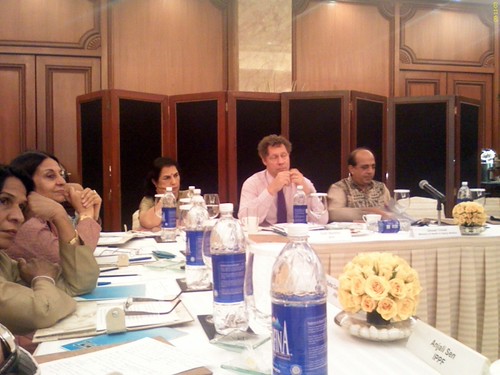
Delhi health initiatives are set to enhance the city’s healthcare services with expanded programs and increased incentives for healthcare workers.
Overview of Delhi’s health initiatives
The Delhi government has recently intensified its focus on health initiatives aimed at improving healthcare access and quality for its residents. Notable among these initiatives are the expanded ANMOL program, which aims to enhance maternal and child health services, and the SOTTO initiative, designed to streamline the delivery of essential health services.
Additionally, the government has announced a significant hike in incentives for ASHA workers, who play a critical role in community health outreach. These efforts are part of a broader strategy to ensure that health services are not only accessible but also effective in addressing the needs of the population.
As Delhi health initiatives evolve, the emphasis remains on integrating technology and community involvement to create a more responsive healthcare system that can adapt to the ever-changing demands of public health.
Details on ANMOL and its impact
The ANMOL initiative, launched by the Delhi government, has gained significant attention as part of its broader health initiatives aimed at improving healthcare access in urban areas. This program focuses on enhancing maternal and child health services through a variety of community-based approaches.
Key features of ANMOL include:
- Mobile Health Units: Providing on-the-spot medical assistance and awareness campaigns in underserved neighborhoods.
- Health Education: Training community health workers to educate families about nutrition, hygiene, and preventive care.
- Regular Health Check-Ups: Facilitating routine screenings for expectant mothers and children to ensure timely intervention.
The impact of ANMOL has been noteworthy, with a measurable increase in healthcare access and improved health outcomes. As Delhi health initiatives continue to evolve, the success of ANMOL may set a precedent for future programs.
Understanding SOTTO’s role in healthcare
The introduction of SOTTO, or the State Organ and Tissue Transplant Organization, represents a significant advancement in Delhi’s health initiatives. It aims to streamline organ donation and transplantation processes, thereby addressing the critical shortage of organs available for patients in need. SOTTO’s establishment aligns with the government’s broader vision of enhancing healthcare accessibility and efficacy across the region.
Through public awareness campaigns and collaboration with hospitals, SOTTO is working to educate citizens about the importance of organ donation. By fostering a culture of donation, SOTTO hopes to increase the number of successful transplants, ultimately saving lives.
In conjunction with other programs like ANMOL, SOTTO plays a vital role in the comprehensive framework of Delhi’s health initiatives, reinforcing the state’s commitment to improving public health outcomes and providing better healthcare solutions for its residents.
ASHA incentive hike explained
The recent hike in incentives for Accredited Social Health Activists (ASHA) marks a significant step in Delhi’s health initiatives. This increase aims to motivate ASHA workers, who play a crucial role in bridging the gap between the community and healthcare services.
ASHA workers are instrumental in promoting health awareness, providing maternal and child healthcare, and facilitating access to medical facilities. The revised incentive structure is expected to:
- Enhance motivation: With higher financial support, ASHA workers can better serve their communities.
- Improve health outcomes: Increased incentives may lead to more engagement and effective outreach efforts.
- Strengthen healthcare networks: Empowering ASHA workers can create a more robust healthcare system in Delhi.
Ultimately, this incentive hike reflects the government’s commitment to improving public health and supporting its health workforce in delivering essential services.
Public response to health initiatives
The public response to the recent Delhi health initiatives has been largely positive, with many residents acknowledging the proactive measures taken by the government. Surveys indicate that a significant portion of the population appreciates the expanded programs like ANMOL and the support provided by ASHA workers.
Many citizens have expressed gratitude for the increased accessibility to healthcare services, citing improvements in maternal and child health outcomes. Feedback from community meetings highlights a growing awareness of the importance of these initiatives, particularly in underserved areas.
However, some concerns have been raised regarding the sustainability of these programs. Residents are eager to see continued investment and support to ensure long-term benefits. Overall, the health initiatives in Delhi appear to be making a meaningful impact, fostering hope for future enhancements in the healthcare landscape.
Challenges faced by the Delhi government
Despite the Delhi government’s ambitious health initiatives, several challenges persist that could hinder their effectiveness. One major issue is the infrastructure deficit, where many health facilities lack the necessary resources and personnel to implement these initiatives effectively. Additionally, the public awareness regarding available services remains low, limiting participation and engagement in programs like ANMOL and SOTTO.
Furthermore, bureaucratic hurdles often slow down the decision-making process, leading to delays in the rollout of essential services. There is also a significant disparity in access to healthcare between urban and rural areas, which can undermine the overall impact of the initiatives.
To truly assess the effectiveness of Delhi’s health initiatives, it is crucial to address these challenges and ensure that the benefits reach the broader population.
Future of healthcare in Delhi
The future of healthcare in Delhi appears promising, bolstered by innovative health initiatives designed to improve accessibility and quality. With programs like ANMOL and SOTTO gaining traction, the Delhi government is focused on addressing pressing health concerns. Experts suggest that these initiatives could serve as a model for other regions, showcasing the potential of community-based healthcare solutions.
As the city continues to evolve, there is a growing emphasis on integrating technology and data analytics into healthcare delivery. This shift aims to streamline processes and enhance patient engagement. Additionally, the support from local communities, especially through the ASHA program, indicates a strong foundation for future initiatives.
However, sustaining momentum remains a challenge. The success of these Delhi health initiatives will depend on continued investment, effective management, and adaptability to changing health needs.
Many experts believe that the effectiveness of Delhi health initiatives can be measured through their impact on community health outcomes. As such, evaluating these Delhi health initiatives is crucial for determining if they are the best proven solutions for the city’s healthcare challenges.
By dodonamaram via Openverse


One thought on “Delhi health initiatives: Are they the best proven solutions?”