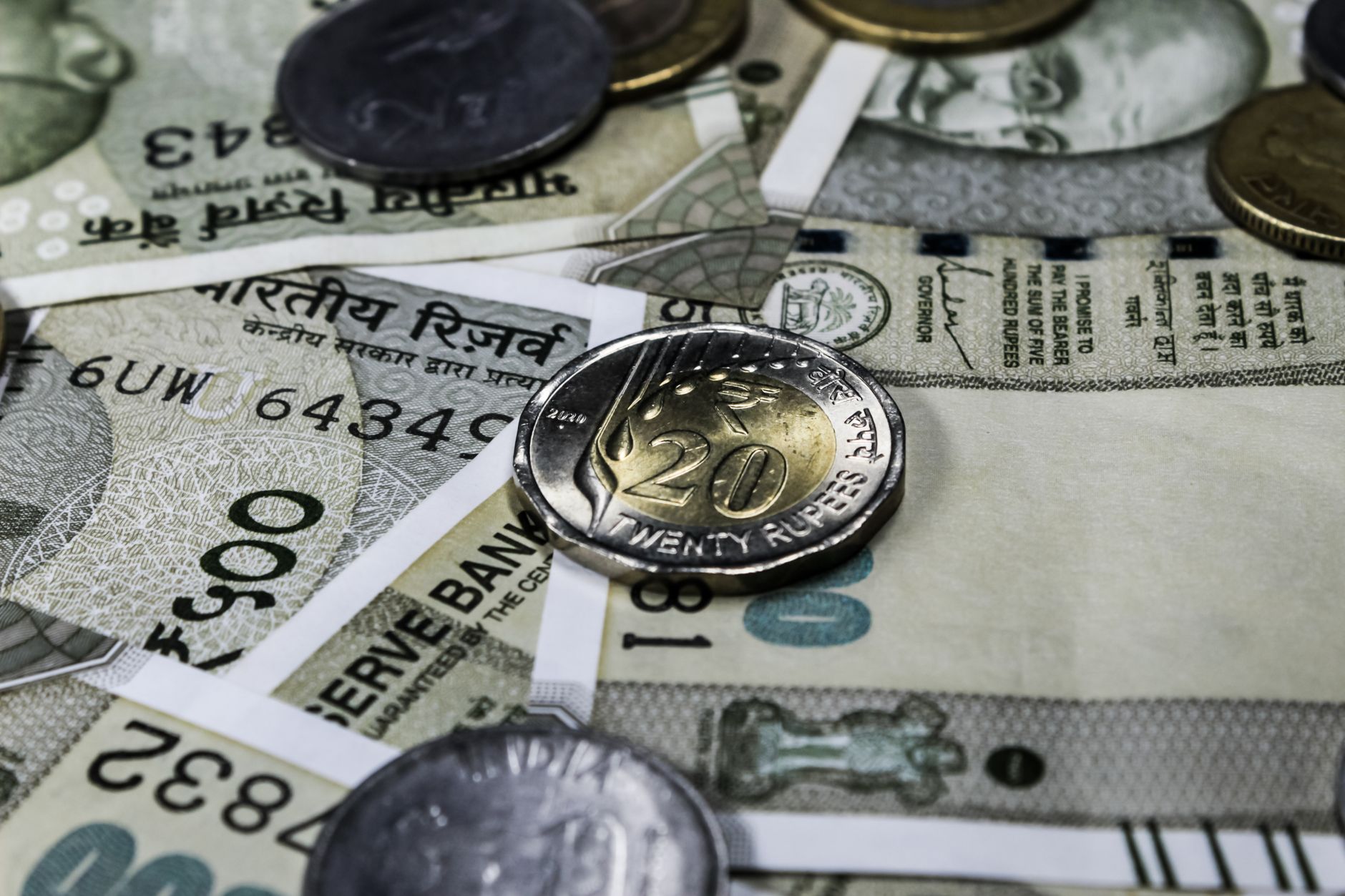
RBI rupee slide is a pressing issue that has raised concerns among economists and investors alike. The Reserve Bank of India is implementing measures to address this challenge effectively.
Understanding the Current Rupee Slide
The recent RBI rupee slide has raised concerns among economists and market analysts alike. The Indian rupee has been facing significant depreciation against major currencies, which has implications for both the economy and consumers. Understanding the factors contributing to this decline is essential for addressing the issue effectively.
One of the primary reasons for the rupee’s slide is the widening trade deficit, which has increased due to higher imports of crude oil and other essential goods. As the demand for foreign currency rises, the rupee’s value tends to weaken. Additionally, global economic uncertainties, including fluctuations in the dollar and geopolitical tensions, further exacerbate the situation.
The Reserve Bank of India (RBI) has been actively monitoring these developments. In response to the rupee slide, the central bank has implemented several measures aimed at stabilizing the currency. These strategies include:
- Intervention in Forex Markets: The RBI has been selling foreign currency reserves to support the rupee’s value.
- Interest Rate Adjustments: By modifying interest rates, the RBI seeks to manage inflation and attract foreign investment.
- Policy Communication: Clear communication of monetary policy helps to build market confidence.
By understanding the current dynamics and proactively addressing the RBI rupee slide, stakeholders can work towards a more stable economic environment.
RBI’s Immediate Actions Explained
The Reserve Bank of India (RBI) has implemented several immediate actions to counter the ongoing RBI rupee slide and stabilize the currency in the face of mounting pressures. These measures aim to restore investor confidence and ensure economic stability.
One of the primary strategies involves the direct intervention in the foreign exchange market. The RBI has been selling dollars to manage the volatility of the rupee. This approach aims to provide liquidity and support the domestic currency against depreciating forces.
Additionally, the RBI has raised interest rates to curb inflation, which indirectly supports the rupee by attracting foreign capital. Higher interest rates often lead to increased foreign investment, bolstering demand for the rupee.
Moreover, the central bank has emphasized the importance of enhancing foreign exchange reserves. By increasing reserves, the RBI can better support the rupee during turbulent times. This strategy includes seeking additional financing options and partnerships with other central banks.
Lastly, the RBI is closely monitoring global market trends and geopolitical developments that may impact the currency. By staying proactive, the central bank aims to mitigate risks and implement timely interventions.
In summary, the RBI’s immediate actions reflect a comprehensive approach to address the challenges posed by the rupee slide while safeguarding the economy.
Long-term Strategies for Currency Stability
The recent RBI rupee slide has raised concerns about the stability of the Indian currency in the global market. To address this issue, experts suggest several long-term strategies that the Reserve Bank of India can implement to promote stability and restore investor confidence.
- Enhancing Foreign Exchange Reserves: Increasing the nation’s foreign exchange reserves can provide a buffer against currency volatility. A robust reserve can help the RBI manage fluctuations more effectively.
- Diversifying Trade Partners: Encouraging trade with a broader range of countries can reduce dependence on a few currencies. This diversification can mitigate risks associated with foreign exchange movements.
- Promoting Export Competitiveness: By investing in infrastructure and technology, India can enhance its export capabilities, leading to a stronger trade balance that supports the rupee.
- Implementing Fiscal Discipline: Maintaining strict fiscal policies can help reduce inflation and promote economic stability. A disciplined approach to spending can foster confidence in the currency.
- Encouraging Foreign Investment: Creating a more favorable investment climate will attract foreign capital, which can provide necessary support to the rupee and bolster economic growth.
By adopting these strategies, the RBI can work towards stabilizing the rupee and addressing the concerns surrounding the recent slide.
Impact of Global Markets on the Rupee
The impact of global markets on the rupee is a critical factor in understanding the ongoing RBI rupee slide. Fluctuations in international financial conditions can significantly affect the value of the Indian currency.
Recent trends indicate that several global factors have contributed to the rupee’s depreciation:
- Interest Rate Changes: Adjustments in interest rates by major central banks, particularly the US Federal Reserve, have a direct influence on capital flows. Higher interest rates in the US can lead to a stronger dollar, putting pressure on the rupee.
- Geopolitical Tensions: Ongoing geopolitical uncertainties can lead to increased volatility in global markets, causing investors to seek safe-haven currencies. This often results in a sell-off of emerging market currencies, including the rupee.
- Commodity Prices: The rising prices of essential commodities, such as oil, can severely impact the trade balance of India. As a net importer of oil, any increase in prices puts additional strain on the rupee.
- Foreign Portfolio Investment: Fluctuations in foreign portfolio investment can also play a significant role. A dip in investor confidence can lead to capital outflows, further exacerbating the RBI rupee slide.
Understanding these global influences is essential for assessing the effectiveness of the RBI’s response strategies.
Expert Opinions on RBI’s Approach
Experts have weighed in on the Reserve Bank of India’s (RBI) approach to managing the recent rupee slide, emphasizing the need for a multifaceted strategy. According to financial analysts, the RBI’s current measures are essential but must be complemented by additional long-term policies to ensure stability.
Dr. Anjali Mehta, an economist at a leading financial institution, noted that while the RBI’s interventions in the currency market are crucial, they should also focus on strengthening the underlying economic fundamentals. She stated, “The RBI must not only act on the immediate rupee slide but also address the inflationary pressures and fiscal imbalances that contribute to currency instability.”
Similarly, Mr. Rajesh Kumar, a currency strategist, emphasized the importance of building investor confidence. He suggested that “increased transparency in monetary policy and proactive communication from the RBI can help mitigate panic in the markets.”
Furthermore, experts advocate for enhancing foreign exchange reserves as a buffer against external shocks. Ms. Priya Singh, a market analyst, remarked, “Strengthening reserves can provide the RBI with more tools to manage the rupee slide effectively.”
In conclusion, while the RBI’s immediate actions are necessary, a broader approach that incorporates expert recommendations will be vital for stabilizing the rupee and fostering long-term economic resilience.
Future Predictions for the Indian Rupee
As the RBI rupee slide continues to impact the economy, analysts are making predictions about the future trajectory of India’s currency. Several factors are expected to influence the rupee’s performance in the coming months.
- Global Economic Conditions: The health of the global economy will play a crucial role, particularly the performance of major currencies like the US dollar. A stronger dollar could exacerbate the rupee slide.
- Inflation Rates: Persistent inflation in India may lead to a depreciation of the rupee, as it reduces purchasing power and affects investor confidence.
- Foreign Investment: The level of foreign direct investment (FDI) and portfolio investment will be pivotal. An influx of foreign capital can help stabilize the currency.
- Central Bank Policies: The RBI’s monetary policy decisions, including interest rate adjustments, will be critical in determining the rupee’s strength.
- Geopolitical Stability: Any geopolitical tensions can create uncertainty, leading to capital outflows and a further slide of the rupee.
In conclusion, while predicting the exact future of the rupee remains challenging, ongoing monitoring of these factors will be essential for stakeholders looking to navigate the complexities of the RBI rupee slide.
To address the ongoing RBI rupee slide, policymakers must implement targeted interventions in the foreign exchange market. Additionally, enhancing investor confidence will be crucial in mitigating the impacts of the RBI rupee slide on the economy.
Photo by Ravi Roshan on Pexels

One thought on “RBI Rupee Slide: Clear Strategies to Stabilize Currency”