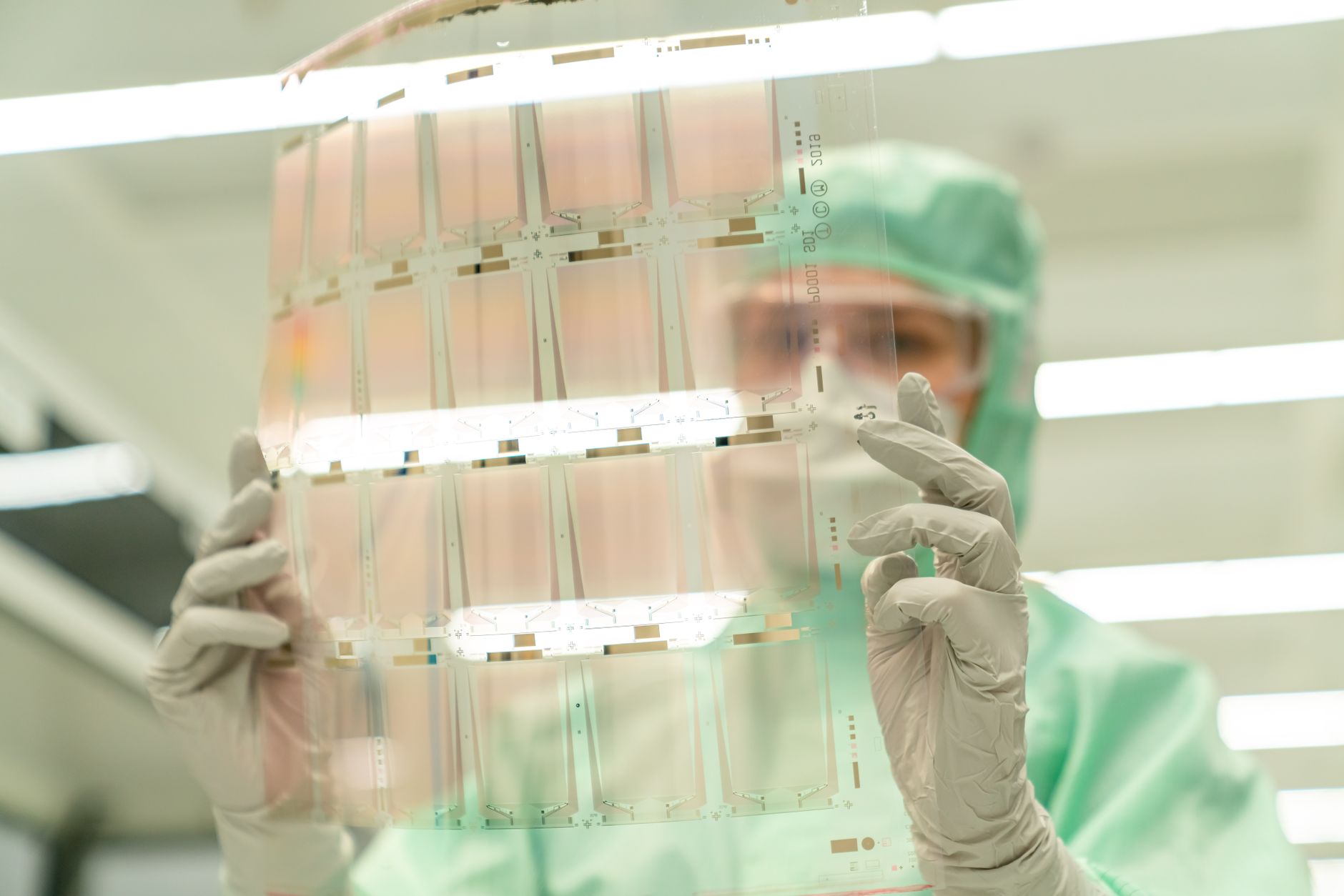
ASML Q3 results reveal a mixed performance, highlighting both challenges and opportunities for the chip-gear giant. Investors are keen to understand the implications of these results on future growth.
Overview of ASML’s Q3 Results
ASML, the leading supplier of photolithography equipment for the semiconductor industry, has reported its Q3 results, showcasing a mixed performance that surprised analysts. The company’s revenue reached €6.9 billion, representing a year-over-year decline, while net income stood at €1.5 billion, reflecting a slight increase compared to the previous quarter.
Despite the challenges in the global semiconductor market, ASML’s Q3 results revealed strong demand for its cutting-edge EUV machines. The company shipped 9 EUV systems during the quarter, contributing significantly to its overall sales. However, the demand for older DUV machines has decreased, indicating a shift in the market’s focus towards advanced technology.
ASML’s guidance for the upcoming quarters remains optimistic. The company anticipates a rebound in sales driven by increased investments in semiconductor manufacturing capacity. According to CEO Peter Wennink, ASML Q3 results reflect a transitional phase in the industry, with potential growth on the horizon as customers prepare for future technology advancements.
Looking ahead, ASML is positioned to capitalize on the ongoing trend towards higher performance chips, which will likely drive demand for its state-of-the-art equipment. Investors remain cautiously optimistic as the company navigates through this dynamic market landscape.
Key Financial Metrics
ASML’s Q3 results showcased a blend of strong and weak financial metrics, reflecting the current state of the semiconductor industry. The company reported total revenue of €5.6 billion, representing a 5% decline from the previous quarter. However, when compared to the same period last year, revenue increased by 15%, highlighting ASML’s resilience amid market fluctuations.
Net income for the quarter reached €1.5 billion, with a net profit margin of 27%. This is a slight decrease from the prior quarter but still demonstrates solid profitability. Additionally, ASML’s gross margin stood at 47%, indicating effective cost management despite challenges in demand.
- Revenue: €5.6 billion
- Net Income: €1.5 billion
- Net Profit Margin: 27%
- Gross Margin: 47%
- Year-over-Year Revenue Growth: 15%
Looking ahead, ASML’s guidance for the upcoming quarters is promising. The company anticipates a rebound in demand for its cutting-edge lithography machines, which could bolster its financial performance in the near future. Overall, the ASML Q3 results paint a picture of cautious optimism as the industry navigates its challenges.
Market Reactions to ASML’s Performance
Market reactions to ASML’s performance in Q3 have reflected the mixed results reported by the chip-gear giant. Investors and analysts have been closely monitoring the company’s guidance, which appears to be more optimistic than its immediate performance metrics would suggest.
Despite a slight decline in revenue compared to the previous quarter, ASML’s outlook has provided a glimmer of hope. The company has indicated that demand for its advanced lithography machines remains strong, particularly in the semiconductor industry. This sentiment has led to a positive shift in investor confidence, even as some concerns linger about the short-term challenges the company faces.
- Stock Performance: Following the earnings announcement, ASML’s stock saw a modest increase, signaling that investors are taking the positive guidance into account.
- Analyst Reactions: Analysts have expressed a cautious optimism, noting that while the Q3 results were mixed, the long-term growth potential remains intact.
- Sector Impact: ASML’s results have also affected the broader semiconductor sector, with other companies reacting positively to the guidance shared.
In summary, while ASML’s Q3 results may have been mixed, the positive guidance provided by the company has sparked interest and optimism in the market.
Future Outlook for ASML
Looking ahead, ASML’s future outlook appears cautiously optimistic, despite the mixed performance reflected in the ASML Q3 results. The company remains a pivotal player in the semiconductor industry, particularly as global demand for advanced chips continues to rise.
ASML’s management anticipates several key factors will drive growth in the upcoming quarters:
- Increased Demand: A surge in demand for high-performance chips, driven by advancements in artificial intelligence and machine learning, is expected to bolster ASML’s sales.
- Technological Advancements: The ongoing development of extreme ultraviolet (EUV) lithography technology positions ASML favorably, enabling semiconductor manufacturers to produce smaller and more efficient chips.
- Geopolitical Factors: Despite potential challenges due to geopolitical tensions, ASML is adapting its strategies to mitigate risks and capitalize on opportunities in diverse markets.
Moreover, ASML’s management has provided positive guidance for the next quarters, indicating confidence in their ability to navigate market fluctuations. The company’s robust order book, combined with a commitment to innovation, suggests a resilient performance moving forward.
Investors will be closely monitoring ASML’s progress as it strives to maintain its leadership position in the semiconductor equipment sector.
Comparative Analysis with Competitors
In analyzing ASML’s Q3 results, it is crucial to compare the company’s performance with its key competitors within the semiconductor industry. While ASML reported mixed results, competitors such as Applied Materials and Lam Research have also faced challenges. Both companies reported quarterly earnings that fell short of market expectations, highlighting a broader trend of sluggish demand in the semiconductor sector.
Despite the difficulties, ASML’s strong position in the extreme ultraviolet (EUV) lithography market has allowed it to maintain a competitive edge. Analysts suggest that ASML’s technology continues to be a critical asset for chip manufacturers looking to advance their production capabilities. The company’s year-over-year revenue growth contrasts with TSMC and Intel, which have experienced varying degrees of slowdown due to inventory corrections and reduced capital spending.
Moreover, ASML’s guidance for upcoming quarters suggests a more optimistic outlook than its competitors. This could indicate a recovery trajectory as demand for advanced chip manufacturing resurfaces, particularly in the context of artificial intelligence and high-performance computing. As ASML navigates the current market landscape, its ability to capitalize on these opportunities will be pivotal in reinforcing its market dominance.
Impact of Technology Trends on ASML
The impact of technology trends on ASML has been significant, especially in light of the company’s recent Q3 results. As a leader in the semiconductor manufacturing equipment industry, ASML is closely tied to the ongoing advancements in chip technology. The demand for more powerful and efficient chips has pushed the need for ASML’s extreme ultraviolet (EUV) lithography machines to new heights.
Several key trends have emerged that influence ASML’s performance:
- Artificial Intelligence (AI): The rapid growth of AI applications is driving an unprecedented demand for high-performance chips, which in turn boosts the need for ASML’s advanced equipment.
- 5G Technology: The rollout of 5G networks is creating a surge in demand for semiconductors, prompting manufacturers to upgrade their production capabilities, benefiting ASML.
- Electric Vehicles (EVs): The transition to electric vehicles is increasing the complexity and quantity of chips needed, further enhancing ASML’s market position.
Despite the mixed results reported in ASML’s Q3 performance, the positive guidance reflects the company’s confidence in continuing to capitalize on these technology trends. The strategic focus on innovation and meeting market demands positions ASML well for future growth.
Investor Sentiment and Stock Performance
Following the release of ASML’s Q3 results, investor sentiment has displayed a blend of optimism and caution. The mixed performance has led to varied reactions among stakeholders, reflecting a nuanced view of the company’s future prospects.
Many investors were initially disappointed by the results, which included lower-than-expected sales figures. However, ASML’s guidance for upcoming quarters has provided a silver lining. The company anticipates a rebound in demand for its advanced lithography machines, crucial for semiconductor manufacturing.
Analysts highlighted several factors affecting market perception:
- Guidance Improvement: ASML’s positive outlook has reassured investors, suggesting a potential recovery.
- Strategic Investments: Ongoing investments in R&D are expected to strengthen ASML’s competitive edge in the market.
- Sector Trends: The growing demand for chips in various industries continues to support long-term growth.
As a result, ASML’s stock has seen a volatile reaction in the aftermath of the Q3 results. While some analysts urge caution, others believe that the company’s robust position in the semiconductor industry will lead to improved performance in the coming quarters. The mixed sentiment reflects the complexities of navigating the current market environment.
Conclusion and Takeaways
In conclusion, ASML’s Q3 results reflect a company navigating a complex market landscape. While the financial metrics showcased some areas of concern, the overall guidance provided by the management remains optimistic. This mixed performance highlights the challenges faced within the semiconductor industry, yet it also underscores ASML’s resilience and adaptability.
Key takeaways from the quarter include:
- Revenue Fluctuations: ASML reported variability in revenue streams, which could be attributed to ongoing supply chain issues and fluctuating demand.
- Positive Guidance: Despite the mixed results, ASML’s management has offered encouraging forecasts for the upcoming quarters, indicating confidence in market recovery.
- Technological Advancements: The company’s continued investment in R&D positions it well to leverage emerging technology trends, which could bolster future performance.
- Competitive Position: ASML maintains its strong standing against competitors, which is crucial for sustaining investor confidence and stock performance.
Overall, ASML’s Q3 results present a narrative of cautious optimism. As the company continues to adapt to an evolving market, stakeholders will be closely monitoring its ability to capitalize on growth opportunities while addressing the challenges ahead.
Despite the challenges reflected in the ASML Q3 results, the company has provided a positive outlook for the upcoming quarters. Investors remain hopeful as the ASML Q3 results indicate potential growth in key markets.
Photo by Российский центр гибкой электроники on Pexels
Sources
Related reading
Spokesman-Review news: The Best Highlights from Oct. 14 · Indian voters protest: The shocking deletion of 130 million names · Top Gainers and Losers: Proven Insights for October 2026

One thought on “ASML Q3 Results: Mixed Performance and Positive Guidance”