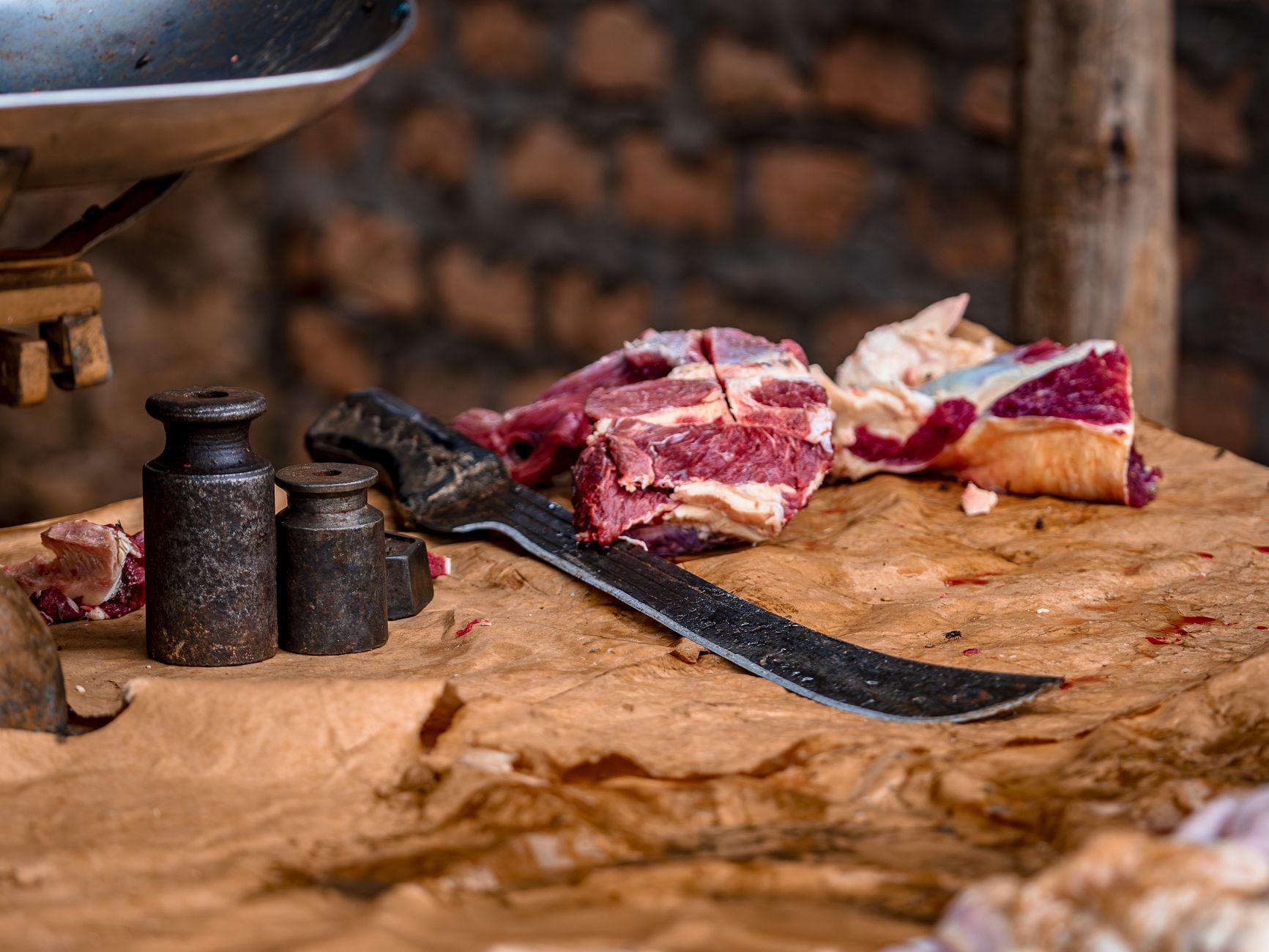
Cow slaughter during Durga Puja has become a contentious issue, especially after a recent beef feast near a Dhaka temple. Students are now planning to carry out the act during the festival.
Background on the Cow Slaughter Controversy
The issue of cow slaughter during Durga Puja has sparked significant controversy in recent years, particularly in regions where both Hindu and Muslim communities coexist. While many Hindus regard the cow as a sacred symbol, certain groups argue for their cultural practices and dietary choices. This divide has led to heated debates over the permissibility of cow slaughter during this festival.
In a recent incident near Dhaka, a group of students organized a beef feast, prompting backlash from the local community. This event reignited discussions surrounding cow slaughter during Durga Puja, highlighting the tensions between religious sentiments and individual rights. Supporters of cow slaughter argue that it is a personal choice tied to cultural traditions, while opponents emphasize the cow’s revered status in Hinduism.
The conflict reflects broader societal issues, including the balancing of religious beliefs with personal freedoms, making it a complex topic that continues to evoke strong reactions.
What Happened at the Dhaka Temple?
Recent events at a temple near Dhaka have sparked significant debate regarding cow slaughter during Durga Puja. Following a beef feast that took place in proximity to the temple, students from various cultural organizations have announced plans to conduct cow slaughter during the festival. This decision has ignited passionate responses from different segments of society.
Many supporters argue that this act is a form of cultural expression and a celebration of local traditions. They emphasize that the festival is an opportunity to showcase culinary heritage, which includes meat dishes. However, opponents view cow slaughter during Durga Puja as an affront to Hindu sentiments, given the cow’s sacred status in Hinduism.
This situation has led to protests and calls for intervention, as tensions rise between groups advocating for the preservation of cultural practices and those opposing cow slaughter during Durga Puja. The government is now under pressure to address the issue and maintain communal harmony.
Student Reactions to the Beef Feast
In the wake of the recent beef feast near a temple in Dhaka, student reactions regarding cow slaughter during Durga Puja have sparked significant debate. Many students express strong opinions on the issue, highlighting the cultural and religious sensitivities involved.
- Supporters of cow slaughter argue that it is a personal choice and a part of their culinary tradition, emphasizing that festivals should celebrate diversity.
- Opponents, however, feel that cow slaughter during Durga Puja is disrespectful to Hindu sentiments and the sanctity of the festival.
- Some students are concerned about the potential backlash, fearing that such actions could lead to communal tensions.
- Others believe that promoting dialogue and understanding is essential to navigate this contentious topic.
As the discussions continue, it remains to be seen how the broader community will respond to the idea of cow slaughter during Durga Puja and the implications it may have for interfaith relations.
Cultural Significance of Cow Slaughter
The cultural significance of cow slaughter during Durga Puja is a topic of intense debate among various communities. For some, the act is seen as a traditional practice that honors their heritage and connects them to age-old customs. In certain regions, it is believed that offering beef during this festival symbolizes abundance and prosperity.
However, others argue that cow slaughter during Durga Puja is not aligned with the values of respect and reverence that the festival embodies. The cow holds a sacred status in many cultures, particularly within Hinduism, where it is revered as a symbol of motherhood and nourishment.
As discussions around this practice escalate, it becomes clear that the cultural implications are complex and multifaceted. Advocates for cow slaughter during Durga Puja highlight the need for freedom of expression, while opponents emphasize the importance of respecting religious sentiments. Ultimately, this issue reflects deeper societal divisions and the ongoing struggle to balance tradition with modern values.
Legal Implications of Cow Slaughter During Festivals
The legal implications of cow slaughter during festivals, particularly during Durga Puja, have sparked significant debate in various regions. In many countries, laws regarding cow slaughter are stringent and are often influenced by cultural and religious sentiments. Violating these laws can lead to severe penalties, including fines and imprisonment.
In Bangladesh, where the recent beef feast near a Dhaka temple ignited controversy, the legal framework surrounding cow slaughter is complex. The country’s Animal Slaughter Act prohibits the slaughter of cows for meat, yet enforcement can vary widely. This has raised questions about the legality of planned cow slaughter during Durga Puja among certain student groups.
As discussions intensify, it is essential to consider the balance between cultural practices and existing laws. The implications of cow slaughter during Durga Puja not only affect legal standings but also touch upon community relations and interfaith harmony.
- Legal frameworks can differ significantly by region.
- Community reactions to proposed slaughter can vary.
- Religious sentiments often play a crucial role in these discussions.
Community Responses to Planned Slaughter
The planned cow slaughter during Durga Puja has sparked a wide range of responses from various communities. Many individuals and organizations have expressed strong opposition to the act, citing religious sentiments and cultural values associated with the cow.
- Religious Leaders: Prominent figures within the Hindu community have condemned the idea, emphasizing that cows are revered and play a significant role in their faith.
- Animal Rights Activists: Groups advocating for animal welfare have rallied against the slaughter, highlighting the ethical concerns surrounding the treatment of cows.
- Local Residents: Some locals believe that cow slaughter during Durga Puja is disrespectful and could lead to communal tensions.
- Supporters of the Slaughter: Conversely, certain factions argue that this practice is a traditional part of their celebrations and should be respected.
As the festival approaches, the debate on cow slaughter during Durga Puja intensifies, reflecting the complex interplay of culture, religion, and ethics in contemporary society.
Religious Perspectives on Cow Slaughter
The issue of cow slaughter during Durga Puja has ignited a passionate debate among various religious communities. For many Hindus, the cow is considered a sacred animal, embodying purity and motherhood. Thus, the act of cow slaughter is viewed as not only disrespectful but also a direct affront to their beliefs. In contrast, some Muslim communities argue that the ritual slaughter of cows during festivals is an essential part of their religious practices, often linked to celebrations and feasting.
This divide raises a complex question about the intersection of faith and tradition. Many religious leaders emphasize the need for coexistence and respect for each other’s beliefs. They advocate for dialogue and understanding to bridge the gaps that exist between communities. Ultimately, the discussion surrounding cow slaughter during Durga Puja highlights the broader challenges of cultural sensitivity and the need for mutual respect in a diverse society.
Future of Cow Slaughter Practices in Bangladesh
The future of cow slaughter practices in Bangladesh remains a contentious issue, particularly during culturally significant events like Durga Puja. As debates heat up over the ethics and legality of cow slaughter during Durga Puja, various stakeholders are voicing their opinions.
Advocates for cow slaughter argue that it is an integral part of their cultural celebrations, while opponents emphasize the need for respect towards religious sentiments. The recent incident near a Dhaka temple has reignited discussions on this sensitive topic.
In light of heightened tensions, it is crucial to consider how community attitudes may evolve. The involvement of students and activists in planning cow slaughter during Durga Puja suggests a potential shift in cultural practices, but it also raises questions about societal acceptance and legal ramifications.
- Increased Activism: Young people are becoming more vocal about their rights and traditions.
- Legal Changes: Potential reforms may arise from ongoing debates.
- Religious Dialogues: Interfaith discussions may help bridge gaps.
Photo by Derrick Pare on Pexels
Where this came from
Related reading
Reverse Osmosis Membranes: Proven Technology for Water Safety · Southwest loyalty program: The Best New Elite Tiers Explained · JPMorgan Chase stock analysis: TD Cowen’s Hold Recommendation



One thought on “Is Cow Slaughter During Durga Puja the Right Choice?”