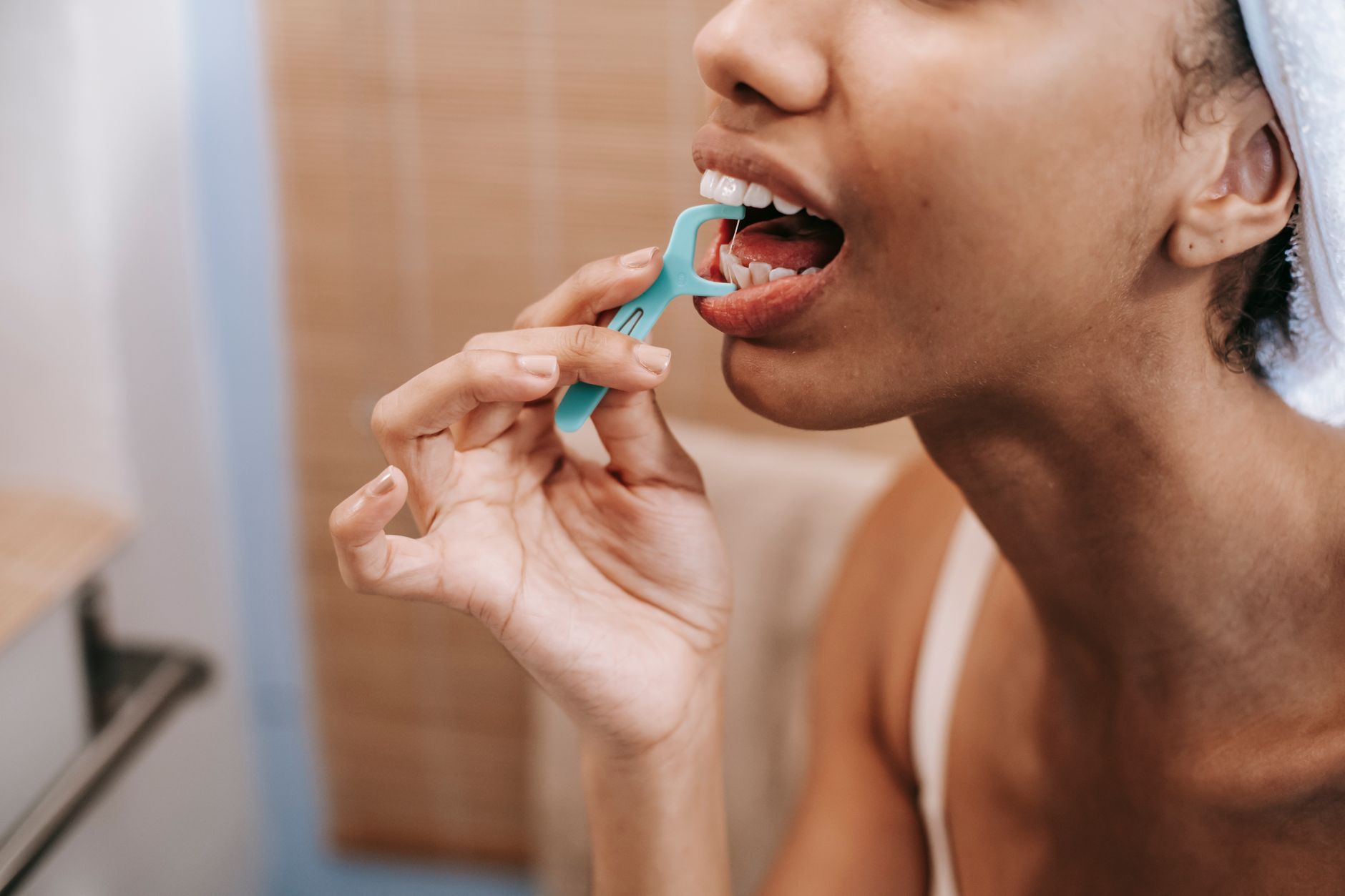
Dental floss chemicals are shedding potentially harmful substances that raise health concerns. As consumers become more aware, it’s crucial to understand what these chemicals mean for dental hygiene.
What Are Dental Floss Chemicals?
Dental floss is often considered an essential part of oral hygiene, but recent studies have raised concerns about dental floss chemicals that may be present in some products. These chemicals can include a range of substances, from artificial flavors to more concerning compounds such as per- and polyfluoroalkyl substances (PFAS), which are known for their persistence in the environment and the human body.
When used regularly, these chemicals may accumulate, leading to potential health risks. Some of the specific risks associated with dental floss chemicals include:
- Potential hormonal disruption: Some chemicals found in dental floss may mimic hormones in the body.
- Environmental persistence: Many of these substances do not break down easily, contributing to pollution.
- Unknown long-term effects: The long-term health impacts of exposure to these chemicals remain largely unstudied.
As awareness grows, consumers are encouraged to check product labels and consider alternatives that are free from harmful additives.
Health Risks of Harmful Chemicals
The use of dental floss is a common practice for maintaining oral hygiene, but recent studies have raised concerns about the potential health risks associated with dental floss chemicals. Many brands of floss are treated with various chemical agents that can pose risks to users.
Some of the most alarming health risks include:
- Endocrine Disruption: Certain chemicals found in dental floss can interfere with hormonal balance, leading to potential reproductive issues.
- Carcinogenic Properties: Some ingredients used for flavoring or texture have been linked to cancer in long-term exposure studies.
- Allergic Reactions: Individuals may experience skin irritations or allergic reactions due to synthetic materials and chemicals in the floss.
As consumers become more aware of these risks, it is essential to evaluate the types of dental floss being used and consider alternatives that are free from harmful dental floss chemicals.
How to Choose Safe Dental Floss
Choosing safe dental floss is essential for maintaining oral health without the risks associated with dental floss chemicals. Here are some tips to help you make an informed decision:
- Read Labels Carefully: Look for products that clearly state their ingredients. Avoid floss that contains harmful additives, such as PFAS or other synthetic chemicals.
- Opt for Natural Options: Consider using dental floss made from natural materials, such as silk or plant-based fibers, which are less likely to contain harmful chemicals.
- Check for Certifications: Seek out dental floss that has been certified by reputable organizations for safety and environmental standards.
- Stay Informed: Keep up-to-date on studies regarding dental floss chemicals and participate in discussions about safer alternatives.
By being proactive and informed, you can protect your health and choose dental floss that is both effective and safe.
Consumer Awareness on Dental Products
As consumers become more aware of the potential risks associated with dental products, the spotlight is increasingly on dental floss chemicals. Many people use dental floss daily, but few are aware of the substances that may be present in these products.
In recent studies, a variety of dental floss brands have been found to contain chemicals such as PFAS (per- and polyfluoroalkyl substances), which are linked to health concerns. This raises significant questions about the long-term effects of using these products.
To make informed choices, consumers should:
- Research brands: Look for information on ingredients and sourcing.
- Choose products wisely: Opt for brands that advertise chemical-free or natural options.
- Stay updated: Follow news and reports on the safety of dental floss chemicals.
Being proactive can help individuals safeguard their health and make better choices regarding dental care.
The Impact of Chemicals on Oral Health
The impact of chemicals in dental floss on oral health is a growing concern among consumers and health professionals alike. Many brands use substances that may pose risks to overall well-being, leading to a potential compromise of oral health.
When using dental floss, individuals may inadvertently expose their gums and oral tissues to harmful chemicals. These substances can lead to irritation and allergic reactions, exacerbating existing oral conditions. Furthermore, long-term exposure may increase the risk of systemic health issues, as some of these chemicals are absorbed into the bloodstream.
It is essential to be aware of the ingredients in dental floss products. Many popular brands contain plastics and synthetic additives, which can have negative effects on both oral health and the environment. To minimize risks, individuals should opt for dental floss made from natural materials, free from harmful chemicals.
- Choose organic or all-natural dental floss.
- Check for certifications and ingredient transparency.
- Consult with dental professionals for recommendations.
Alternatives to Traditional Dental Floss
As consumers become more aware of the potential risks associated with dental floss chemicals, many are seeking alternatives to traditional dental floss. Fortunately, there are several options available that prioritize safety and effectiveness.
- Silk Dental Floss: Made from natural silk, this eco-friendly option is biodegradable and free from synthetic chemicals. It provides a gentle yet effective cleaning experience.
- Floss Picks: Many brands offer floss picks made from biodegradable materials, allowing you to maintain oral hygiene without the harmful chemicals found in conventional floss.
- Water Flossers: These devices use a stream of pulsating water to remove plaque and food particles between teeth. They are a chemical-free alternative that can be particularly beneficial for those with braces or dental work.
- Coconut Oil: Using a strand of cotton or bamboo to apply coconut oil can serve as a natural flossing method. Coconut oil has antibacterial properties, making it a great addition to your oral care routine.
By exploring these alternatives, individuals can reduce their exposure to dental floss chemicals while still ensuring their oral health is a priority.
Expert Opinions on Dental Hygiene
Experts in dental hygiene are increasingly concerned about the presence of dental floss chemicals in widely used products. Dr. Lisa Warren, a leading dentist, emphasizes that “the long-term exposure to these chemicals can pose significant risks to oral health.” She points out that while dental floss is essential for maintaining gum health, the potential side effects of certain chemical additives cannot be overlooked.
Another expert, Dr. Tom Richards, states, “Consumers often underestimate the impact of these chemicals, thinking that all dental hygiene products are safe.” He advocates for transparency in product labeling and urges manufacturers to disclose all ingredients.
Furthermore, Dr. Sarah Lee adds, “It’s crucial for patients to be aware of what they are putting in their mouths. Alternatives are available that do not contain harmful chemicals.” She recommends natural floss options that prioritize safety without compromising dental care.
As awareness grows, experts hope to inspire better consumer choices in dental hygiene.
Recent Studies on Flossing Safety
Recent studies have raised concerns about the safety of dental floss, particularly focusing on the presence of various chemicals. Researchers have discovered that certain brands of dental floss contain substances such as PFAS (per- and polyfluoroalkyl substances), which are known for their persistence in the environment and potential health risks. These findings have sparked a debate among health professionals regarding the long-term effects of using dental floss infused with these chemicals.
In one study, nearly 70% of surveyed dental floss products were found to contain chemical additives that could pose risks to consumers. The implications of these results suggest that while maintaining oral hygiene is essential, the choice of dental products should not compromise overall health.
Experts recommend that consumers stay informed about the ingredients in dental floss and consider alternatives that prioritize safety. Dental floss chemicals should be scrutinized, as awareness and informed choices can significantly impact oral health and overall well-being.
Photo by Sora Shimazaki on Pexels


One thought on “Dental Floss Chemicals: The Worst Risks You Should Know”