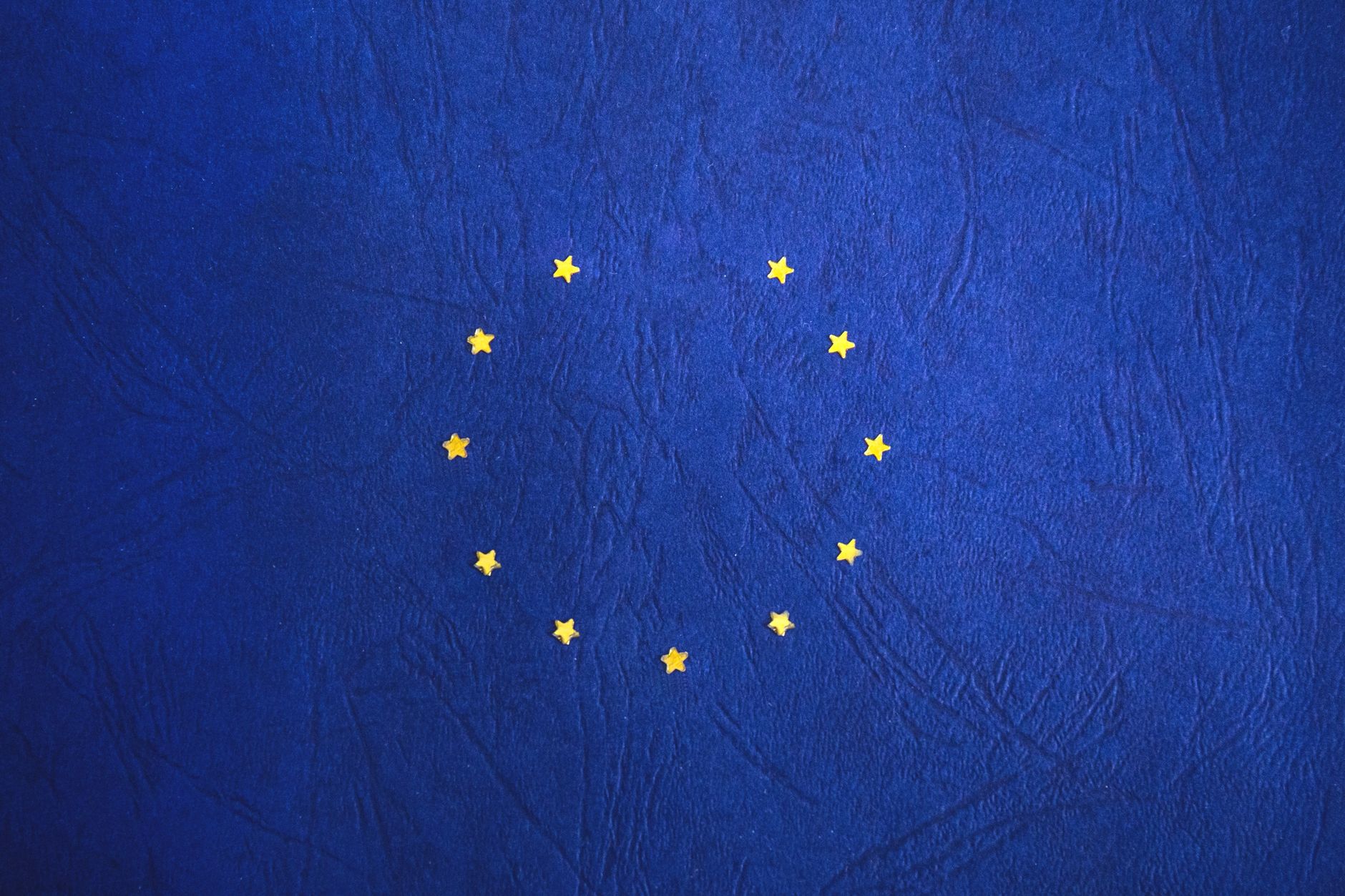
Russia interference Brexit has been a hot topic, especially after the PM’s recent statements confirming these allegations. This raises questions about the integrity of the referendum.
Understanding the Allegations of Russian Interference
In recent years, allegations of Russia interference Brexit have gained significant attention, raising questions about the integrity of the 2016 referendum. The Prime Minister has stated it is “clear” that Russia engaged in efforts to influence the outcome, a claim supported by various intelligence reports.
The allegations suggest that Russian operatives utilized a range of tactics to sway public opinion. These tactics included:
- Social media manipulation: Russian entities are believed to have created fake accounts and disseminated misleading information across platforms such as Facebook and Twitter.
- Cyber attacks: High-profile hacks targeted organizations linked to the referendum, aiming to disrupt the process and undermine public trust.
- Financial support: Some reports allege that Russia may have funneled money into campaigns advocating for Brexit, attempting to amplify their influence.
The implications of these allegations are profound, raising concerns about the legitimacy of democratic processes not only in the UK but globally. Critics argue that such interference threatens the foundation of free elections and could lead to lasting divisions within society.
As investigations continue, the full extent of Russian interference in the Brexit referendum remains to be seen, but the dialogue surrounding this issue is likely to persist, impacting future political discourse.
Impact of Russia’s Actions on Brexit
The impact of Russia’s actions on Brexit has sparked significant debate among political analysts and the public alike. The allegations of interference have raised questions about the integrity of the referendum process and the overall trust in democratic institutions.
Many experts believe that the influence of foreign entities, particularly Russia, has the potential to shape public opinion and sway electoral outcomes. This has led to concerns regarding:
- Public Misinformation: The spread of false narratives and propaganda can distort voters’ perceptions and lead to misguided decisions.
- Polarization: Russia’s interference may exacerbate divisions within society, deepening ideological rifts and making consensus more difficult to achieve.
- Legitimacy of the Vote: If evidence of interference is substantiated, it could undermine the legitimacy of the Brexit referendum results, prompting calls for re-evaluations of the outcome.
Moreover, the ramifications extend beyond the referendum itself, influencing the political landscape in the UK and beyond. The situation raises important questions about how nations can safeguard their democratic processes against external influences.
As discussions continue, the term “Russia interference Brexit” remains central to understanding the broader implications of these allegations. Moving forward, it is crucial for policymakers to address these concerns to restore public confidence in the democratic system.
Government Response to Interference Claims
The UK government has faced increasing pressure to address the allegations surrounding Russia interference in Brexit. In light of recent revelations, Prime Minister Boris Johnson stated it is “clear” that foreign influence played a role in the Brexit referendum. This acknowledgment has prompted calls for a comprehensive response to safeguard the integrity of democratic processes.
In response to these concerns, the government has outlined several key measures:
- Investigation Initiatives: An independent inquiry is being initiated to explore the extent of foreign interference, including that from Russia. This will aim to uncover any potential manipulation of public opinion during the referendum.
- Legislative Changes: The government is considering new laws to regulate online political advertising and increase transparency. These changes aim to ensure that voters are better informed about the sources and motivations of campaign funding.
- International Cooperation: The UK plans to work closely with allies to combat disinformation campaigns and hold accountable those responsible for meddling in democratic processes.
Despite these measures, critics argue that the government’s response has been slow and inadequate. They emphasize the need for a more robust strategy to counteract the ongoing threat of foreign interference, particularly as the nation navigates its post-Brexit landscape.
Public Opinion on Brexit and Foreign Influence
Public opinion regarding Brexit has been significantly influenced by various factors, including allegations of foreign interference, particularly from Russia. As the debate continues, many citizens express concern over the integrity of the referendum process.
Recent surveys indicate that a substantial portion of the population believes foreign entities, including Russia, may have affected the outcome of the Brexit vote. The public’s perception of this interference has led to a growing demand for transparency and accountability in the electoral process.
Key findings from opinion polls reveal:
- Trust Issues: Nearly 60% of respondents feel that foreign influence undermines the democratic process.
- Apathy Towards Government Actions: Many citizens believe that the government’s response to the allegations has been inadequate.
- Desire for Investigations: A majority supports further investigations into the extent of Russia’s interference in Brexit.
The conversation around Russia interference in Brexit has also sparked debates on the broader implications for national security and sovereignty. Citizens are increasingly questioning the validity of their vote, leading to a polarized public opinion landscape.
As the UK grapples with these concerns, it remains essential to address both the implications of foreign interference and the public’s demand for a fair democratic process.
The ongoing investigations into Russia interference Brexit reveal a complex web of foreign influence that may have swayed public opinion. As the implications of Russia interference Brexit continue to unfold, experts warn of the long-term effects on the UK’s political landscape.
Photo by freestocks.org on Pexels
References
BBC · Russian interference in Brexit
Related reading
Nana Patekar cause of death: Proven blood clot found · Cockroach Party leaders released: A clear victory for democracy · Infosys Faces Negative Impact from US PERM Suspension


One thought on “Russia interference Brexit: What is the real impact?”